Support our educational content for free when you purchase through links on our site. Learn more
Hispanic Month 2026: Dates, History & How to Celebrate 🎉

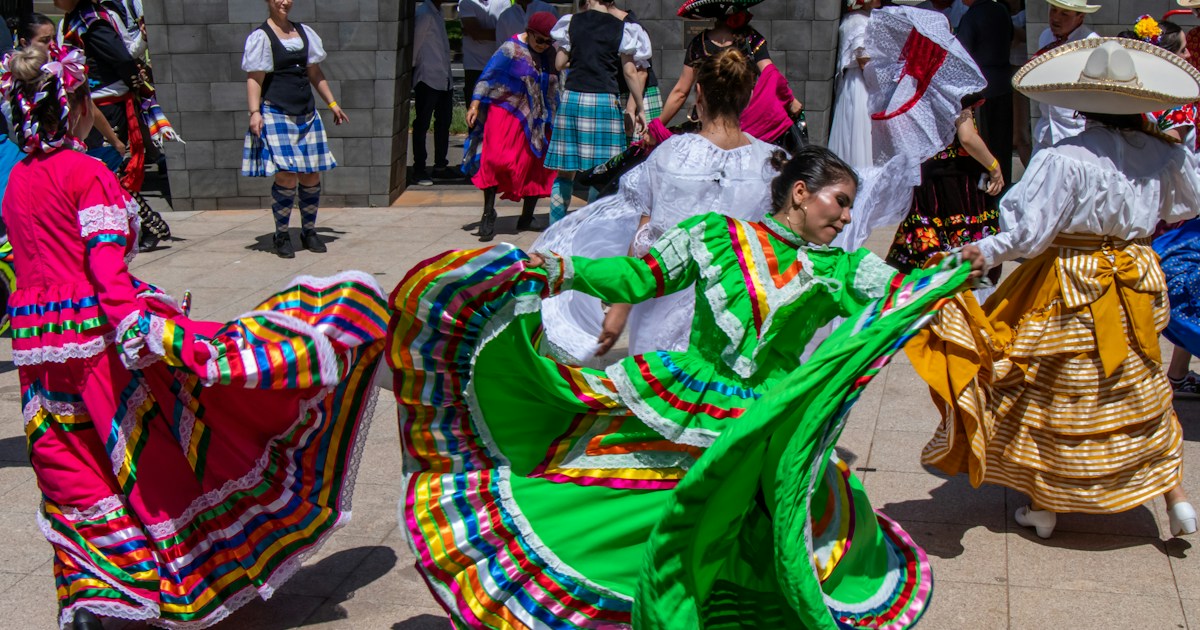
Hispanic Month—officialy National Hispanic Heritage Month—is celebrated in the United States from September 15 to October 15. The most meaningful way to mark it is to learn about specific Hispanic and Latino communities, celebrate their histories and contributions, and support their creators and organizations beyond the month.
That September 15 start date is no calendar quirk: it coincides with the independence anniversaries of Costa Rica, El Salvador, Guatemala, Honduras, and Nicaragua. Mexico’s Independence Day follows on September 16, giving the observance a lively opening stretch rooted in distinct national histories.
But there’s no single “Hispanic culture” to sum up with one playlist or plate of food. We’ll explore the month’s origins, key dates, the range of identities it recognizes, and practical ways to celebrate with curiosity and respect.
Key Takeaways
- Hispanic Heritage Month runs September 15–October 15 each year in the United States.
- It began as Hispanic Heritage Week in 1968 and was expanded to a month-long observance in 198.
- The celebration recognizes diverse histories and communities, not one uniform culture or identity.
- September 15 marks independence anniversaries for five Central American countries; Mexico’s Independence Day is September 16.
- Celebrate thoughtfully: learn from specific communities, support Hispanic and Latino creators, and carry that attention into the rest of the year.
Table of Contents
- ⚡️ Quick Tips and Facts About Hispanic Month
- 📅 What Is Hispanic Heritage Month?
- Why “Hispanic Month” Is Often Called Hispanic Heritage Month
- Hispanic, Latino, Latina, Latine, and Latinx: What Do the Terms Mean?
- 📜 The History of Hispanic Heritage Month
- From Hispanic Heritage Week to a Month-Long Celebration
- Why the Celebration Begins on September 15
- The September and October Dates to Know
- 🌎 The Countries and Communities Celebrated
- The 20 Countries Whose Independence Days Fall Within the Celebration
- Indigenous, Afro-Latino, and Multiracial Heritage
- 🎉 How Hispanic Heritage Month Is Celebrated
- Community Festivals, Parades, and Cultural Events
- Food, Music, Dance, Art, and Literature
- School and Classroom Celebration Ideas
- Workplace and Organization Activities
- Virtual Events and At-Home Celebrations
- 💡 10 Meaningful Ways to Celebrate Hispanic Heritage Month
- 1. Learn About a Country or Community You Don’t Know Well
- 2. Support Latino-Owned Businesses and Creators
- 3. Read Books by Hispanic and Latino Authors
- 4. Watch Films and Documentaries by Latino Filmmakers
- 5. Explore Hispanic and Latino History Beyond the Month
- 6. Attend a Local Cultural Festival or Museum Event
- 7. Cook a Dish and Learn Its Story
- 8. Listen to Music Across Latin America and the U.S.
- 9. Recognize Hispanic and Latino Service Members
- 10. Keep Learning and Supporting Communities Year-Round
- 🏛️ Hispanic Heritage Month in the United States
- Federal Recognition and Presidential Proclamations
- The Contributions of Hispanic and Latino Americans
- Military Service and Latino Veterans
- 🤝 Celebrating Respectfully and Avoiding Common Pitfalls
- How to Avoid Stereotypes and Tokenism
- How to Choose Inclusive Language
- Why Hispanic Heritage Month Is Not a Substitute for Year-Round Inclusion
- 📊 Hispanic Heritage Month: Quick Facts and Key Dates
- 🔗 Recommended Links
- ❓ FAQ
- When Is Hispanic Heritage Month?
- Why Does Hispanic Heritage Month Start on September 15?
- Is It Hispanic Heritage Month or Latino Heritage Month?
- What Countries Are Celebrated During Hispanic Heritage Month?
- How Can Schools Celebrate Hispanic Heritage Month?
- How Can You Celebrate Hispanic Heritage Month at Work?
- What Is the Difference Between Hispanic and Latino?
- 📚 Reference Links
Table of Contents
- ⚡️ Quick Tips and Facts About Hispanic Month
- 📅 What Is Hispanic Heritage Month?
- Why “Hispanic Month” Is Often Called Hispanic Heritage Month
- Hispanic, Latino, Latina, Latine, and Latinx: What Do the Terms Mean?
- 📜 The History of Hispanic Heritage Month
- From Hispanic Heritage Week to a Month-Long Celebration
- Why the Celebration Begins on September 15
- The September and October Dates to Know
- 🌎 The Countries and Communities Celebrated
- The 20 Countries Whose Independence Days Fall Within the Celebration
- Indigenous, Afro-Latino, and Multiracial Heritage
- 🎉 How Hispanic Heritage Month Is Celebrated
- Community Festivals, Parades, and Cultural Events
- Food, Music, Dance, Art, and Literature
- School and Classroom Celebration Ideas
- Workplace and Organization Activities
- Virtual Events and At-Home Celebrations
- 💡 10 Meaningful Ways to Celebrate Hispanic Heritage Month
- 1. Learn About a Country or Community You Don’t Know Well
- 2. Support Latino-Owned Businesses and Creators
- 3. Read Books by Hispanic and Latino Authors
- 4. Watch Films and Documentaries by Latino Filmmakers
- 5. Explore Hispanic and Latino History Beyond the Month
- 6. Attend a Local Cultural Festival or Museum Event
- 7. Cook a Dish and Learn Its Story
- 8. Listen to Music Across Latin America and the U.S.
- 9. Recognize Hispanic and Latino Service Members
- 10. Keep Learning and Supporting Communities Year-Round
- 🏛️ Hispanic Heritage Month in the United States
- Federal Recognition and Presidential Proclamations
- The Contributions of Hispanic and Latino Americans
- Military Service and Latino Veterans
- 🤝 Celebrating Respectfully and Avoiding Common Pitfalls
- How to Avoid Stereotypes and Tokenism
- How to Choose Inclusive Language
- Why Hispanic Heritage Month Is Not a Substitute for Year-Round Inclusion
- 📊 Hispanic Heritage Month: Quick Facts and Key Dates
- 🔗 Recommended Links
- ❓ FAQ
- When Is Hispanic Heritage Month?
- Why Does Hispanic Heritage Month Start on September 15?
- Is It Hispanic Heritage Month or Latino Heritage Month?
- What Countries Are Celebrated During Hispanic Heritage Month?
- How Can Schools Celebrate Hispanic Heritage Month?
- How Can You Celebrate Hispanic Heritage Month at Work?
- What Is the Difference Between Hispanic and Latino?
- 📚 Reference Links
⚡️ Quick Tips and Facts About Hispanic Month
The first useful thing to know: Hispanic Heritage Month is a 31-day U.S. observance, not a single holiday. It runs from September 15 through October 15 and recognizes the histories, cultures, and contributions of people with roots in Spain, Mexico, the Caribbean, Central America, and South America. For a closer look at why the observance matters, start with our guide to Why Do We Celebrate National Hispanic Month? Discover 15 Fascinating Reasons! 🎉 2024.
| Quick fact | What to know |
|---|---|
| Dates | September 15–October 15 every year |
| First observed nationally | As Hispanic Heritage Week in 1968 |
| Expanded to a month | Legislation passed in 198 |
| Why September 15? | It coincides with the independence anniversaries of five Central American countries |
| Who is recognized? | Diverse Hispanic and Latino communities, including people of Indigenous, African, European, Asian, and mixed ancestry |
| Best way to celebrate | Learn from specific communities and creators, support their work, and keep the learning going after October 15 |
A few practical reminders make celebrations more thoughtful:
- ✅ Name a specific country, people, or tradition when you can. “Hispanic culture” is an umbrella, not one uniform culture.
- ✅ Pair celebrations with history, literature, and current perspectives—not only food, flags, and dance.
- ✅ Ask people how they describe their own identity rather than guessing.
- ❌ Don’t assume everyone who speaks Spanish is Hispanic, or that every Hispanic person speaks Spanish.
- ❌ Avoid treating one person as a spokesperson for an entire community.
Find local programming through our Hispanic Heritage Month Events and explore the wider range of Cultural Traditions.
📅 What Is Hispanic Heritage Month?
National Hispanic Heritage Month is annual U.S. observance that celebrates Hispanic and Latino histories, cultures, and contributions. It begins on September 15 because that date connects with independence anniversaries in Central America, then continues through October 15.
The celebration can mean different things in different places. A library might host an author talk; a school might study local Mexican American history; a neighborhood might organize a festival with music, food, and community groups. The strongest programs make room for both celebration and complexity: creativity and achievement, but also migration, labor, activism, discrimination, and debates over identity.
The National Archives and Library of Congress offer useful historical materials and learning resources.
Why “Hispanic Month” Is Often Called Hispanic Heritage Month
“Hispanic Month” is a common shorthand, but Hispanic Heritage Month is the formal name used by the U.S. government. The word heritage signals that the observance is about more than a present-day identity: it also recognizes traditions, historical experiences, and contributions passed across generations.
The wording is not universally loved. As NPR has reported, people debate whether “Hispanic” captures the varied identities grouped under the label. Some prefer Latino, Latina, Latine, Latinx, Chicano, a national-origin identity, or a community-specific term. There is no single label that fits everyone.
Hispanic, Latino, Latina, Latine, and Latinx: What Do the Terms Mean?
These terms overlap, but they do not mean exactly the same thing. In general, Hispanic often refers to a connection with Spanish-speaking countries or cultures, while Latino or Latina usually refers to origins in Latin America. A person may identify with both, one, neither, or a more specific identity.
| Term | Often refers to | A helpful nuance |
|---|---|---|
| Hispanic | A connection to Spanish-speaking countries or cultures | Can include Spain; does not automatically describe race |
| Latino / Latina | A connection to Latin America | Gendered Spanish forms; preferences vary |
| Latine | A gender-inclusive alternative used by some Spanish speakers | Pronunciation and use vary by person and region |
| Latinx | A gender-inclusive alternative used by some people and organizations | Popularity and acceptance differ across communities |
| Chicano / Chicana | A Mexican American identity with particular historical and political roots | Not a general substitute for all Latino identities |
| Afro-Latino | Latin American heritage alongside African ancestry or identity | A racial and cultural identity that may coexist with others |
The U.S. Census Bureau explains how it collects Hispanic-origin information, while its categories do not dictate how individuals should identify. When in doubt, use a person’s own wording—and don’t turn a cultural celebration into a vocabulary exam.
📜 The History of Hispanic Heritage Month
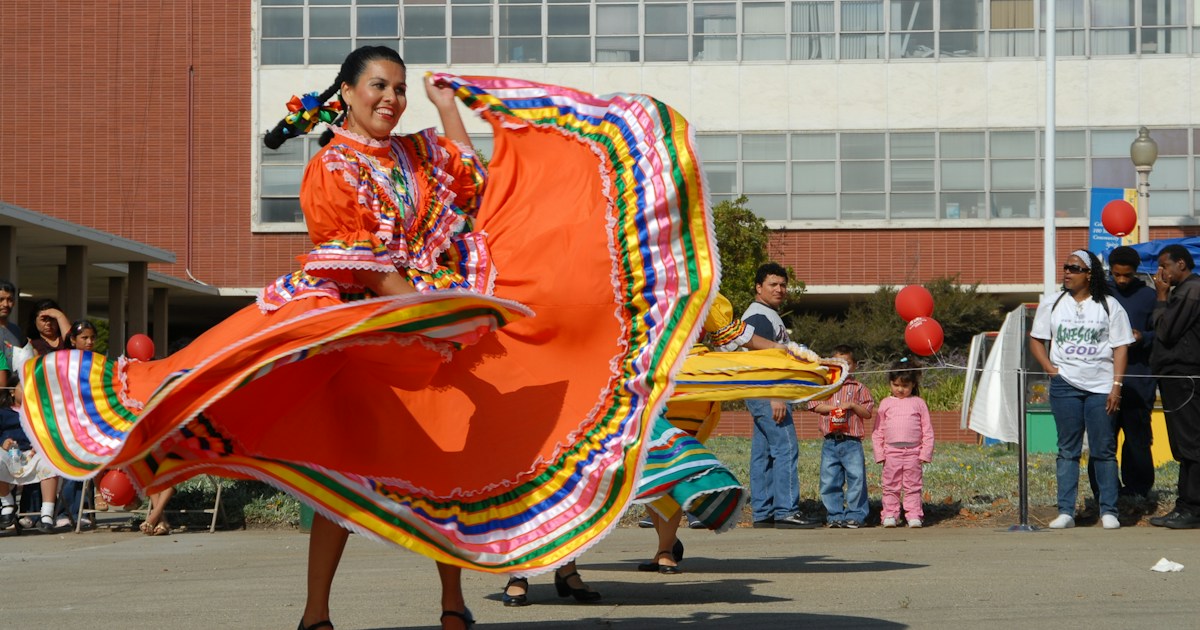
Hispanic Heritage Month grew out of advocacy for public recognition and better representation. Its history also shows why observances matter: what gets counted, taught, and remembered shapes who is seen as part of the national story.
From Hispanic Heritage Week to a Month-Long Celebration
In 1968, Congress authorized a weeklong Hispanic Heritage observance during the week that included September 15 and 16. President Lyndon B. Johnson signed the legislation, which had been introduced by Representative George Brown Jr. In 198, Congress expanded the observance to a month, and President Ronald Reagan signed that legislation into law. The National Hispanic Heritage Month site provides a federal overview.
The timeline is often compressed into a sentence, but the shift from week to month reflects years of public advocacy and growing recognition of Hispanic Americans’ place in U.S. history. Presidents issued annual proclamations for the week before the month-long observance began; President George H. W. Bush issued a proclamation for the first National Hispanic Heritage Month in 1989.
| Year | Milestone |
|---|---|
| 1968 | Congress establishes National Hispanic Heritage Week |
| 198 | Legislation expands the observance to a month |
| 1989 | The first presidential proclamation for the month-long observance issued |
Why the Celebration Begins on September 15
September 15 marks the independence anniversaries of Costa Rica, El Salvador, Guatemala, Honduras, and Nicaragua. Mexico’s independence commemoration follows on September 16, and Chile’s falls on September 18.
The date connects the U.S. observance to histories across the Americas rather than to one nation’s calendar alone. It is tied to independence movements against Spanish rule, but those national histories are distinct; they did not unfold as one shared event or produce identical political outcomes. For more context, the U.S. Department of State’s country histories are a useful starting point.
The September and October Dates to Know
The month-long observance includes national independence days, commemorations, and cultural events—but there is no single official event that defines it.
| Date | Occasion | Context |
|---|---|---|
| September 15 | Independence anniversaries of Costa Rica, El Salvador, Guatemala, Honduras, and Nicaragua | Marks the start of the observance |
| September 16 | Mexico’s Independence Day | Comemorates the beginning of Mexico’s independence struggle in 1810 |
| September 18 | Chile’s Fiestas Patrias | Celebrates Chile’s national independence process |
| September 21 | Belize’s Independence Day | Falls within the month, though Belize is not a Spanish-speaking country |
| October 12 | Observed as Día de la Raza or other commemorations in some places | Names, meanings, and observances vary widely |
| October 15 | Final day of Hispanic Heritage Month | A useful date to reflect on year-round learning, not to pack away the books |
October 12 deserves particular care: its meanings differ across countries and communities, and some people use the date to emphasize Indigenous resistance and survival rather than celebrate European arrival.
🌎 The Countries and Communities Celebrated
The observance recognizes communities with a wide range of national, racial, linguistic, and cultural identities. Hispanic and Latino are not synonyms for “one language, one country, one look, or one story.”
The 20 Countries Whose Independence Days Fall Within the Celebration
The phrase “20 countries” sometimes appears in descriptions of the month, but it can be misleading. The U.S. observance recognizes heritage connected to Spain and Spanish-speaking countries in Latin America, while several countries with important regional ties do not fit neatly into the Hispanic label. And only some national independence anniversaries fall during September 15–October 15.
| Country | Region | Independence date during the observance? |
|---|---|---|
| Argentina | South America | No |
| Bolivia | South America | No |
| Chile | South America | Yes: September 18 |
| Colombia | South America | No |
| Costa Rica | Central America | Yes: September 15 |
| Cuba | Caribbean | No |
| Dominican Republic | Caribbean | No |
| Ecuador | South America | No |
| El Salvador | Central America | Yes: September 15 |
| Guatemala | Central America | Yes: September 15 |
| Honduras | Central America | Yes: September 15 |
| Mexico | North America | Yes: September 16 |
| Nicaragua | Central America | Yes: September 15 |
| Panama | Central America | No |
| Paraguay | South America | No |
| Peru | South America | No |
| Puerto Rico | Caribbean | U.S. territory; not an independent country |
| Spain | Europe | No |
| Uruguay | South America | No |
| Venezuela | South America | No |
This table is a guide to commonly discussed national connections, not a complete map of Hispanic or Latino identity. Puerto Rico, for example, has a distinct history and political status as a U.S. territory. Belize has deep Central American and Caribbean connections and celebrates independence on September 21, but it is not a Spanish-speaking country. For country-by-country background, consult the Library of Congress Hispanic Heritage resources and reliable national histories.
Indigenous, Afro-Latino, and Multiracial Heritage
Latino and Hispanic communities include Indigenous peoples, Afro-descendant communities, Europeans, Asians, and people of mixed ancestry. Many people hold several identities at once. Some Indigenous people speak Spanish; others speak Indigenous languages or do not identify as Hispanic at all. Afro-Latino communities have roots across Latin America and the Caribbean, yet can be overlooked when public images of Latino identity are too narrow.
A Pew Research Center analysis has documented the diversity of Latino identity and the importance of self-identification. The best practice is to avoid assuming someone’s race, language, immigration history, or national origin based on appearance or surname. A celebration gets richer when it includes specific communities and lets people describe themselves.
🎉 How Hispanic Heritage Month Is Celebrated
Celebrations range from neighborhood festivals and museum programs to classroom projects, author talks, concerts, and family meals. There is no one correct format. The key is to connect the fun with real learning and community voices.
Community Festivals, Parades, and Cultural Events
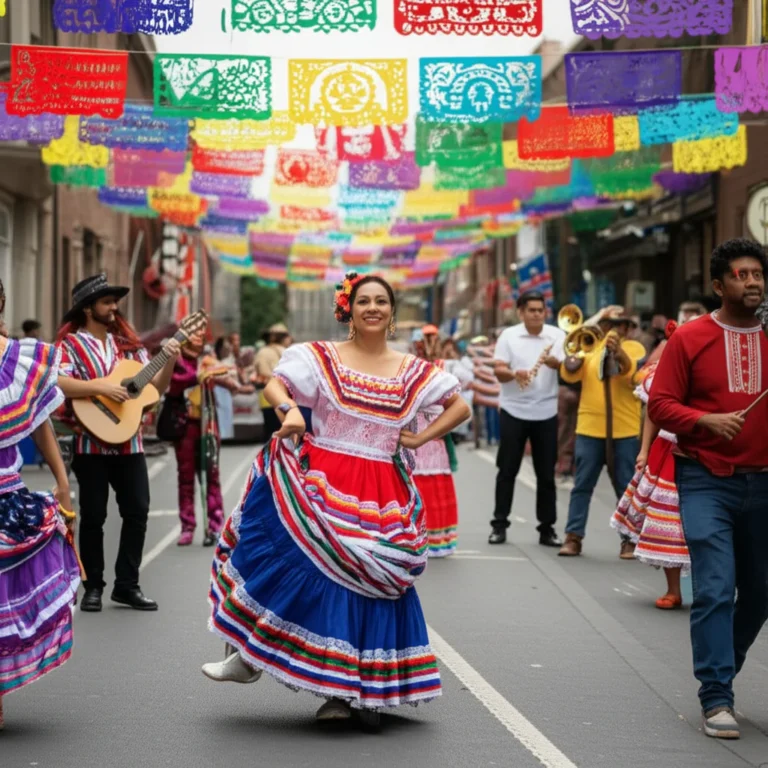
Local events may feature live music, dance, art, food vendors, history exhibits, and family activities. Museums and cultural organizations often host performances or talks; community groups may organize festivals that bring together local artists and small businesses.
Before attending, check who is organizing the event and whose work it supports. Look for programs that name participating artists, explain cultural context, and include more than one community perspective. Browse the Hispanic Heritage Month Events listings and local museum calendars for ideas.
Food, Music, Dance, Art, and Literature
Food and performance can be wonderful entry points—but they are not the whole story. A plate of tamales, a salsa lesson, or a playlist becomes more meaningful when you learn where a dish or style comes from, who shaped it, and how it has changed across regions and generations.
Try pairing each celebration with a source by a creator from the culture you’re exploring:
- Read an author’s interview or essay alongside their book.
- Look for the regional roots of a dance or music style.
- Ask a local restaurant or cook about the history of a dish, without expecting unpaid cultural education.
- Explore Cultural Traditions as living practices, not museum labels.
School and Classroom Celebration Ideas
Teachers can use the month to broaden U.S. history, literature, social studies, and arts curricula. Strong classroom plans go beyond a one-day craft or “foods of the world” party.
- Start with local history: Research Hispanic and Latino communities in your city or region.
- Use first-person sources: Pair historical documents with writing, interviews, music, and art by community members.
- Teach the range of experiences: Include Indigenous and Afro-Latino histories, labor and civil-rights movements, and contemporary achievements.
- Invite participation respectfully: Make guest speakers’ time and expertise valued; don’t ask a student to represent an entire heritage.
- Keep the work visible year-round: Connect the unit to the rest of the curriculum instead of treating October 15 as a hard stop.
The Library of Congress and Smithsonian Latino Center offer educational resources.
Workplace and Organization Activities
Workplaces can recognize the month through paid speaker events, employee-led programs, book or film discussions, and support for Hispanic- and Latino-owned businesses. The most credible efforts are planned with employees and community partners, not simply announced to them.
Helpful approaches include:
- Compensate speakers, performers, and consultants fairly.
- Give employee resource groups real decision-making authority and budget.
- Review hiring, promotion, and procurement practices alongside cultural programming.
- Avoid asking one employee to explain “the Hispanic perspective.”
- Share events with everyone, while respecting that participation is voluntary.
Virtual Events and At-Home Celebrations
A thoughtful celebration can happen at home or online. Host a virtual author discussion, stream a film by a Latino director, explore digital exhibits, or invite family members to share recipes and memories—if they are comfortable doing so.
For a simple plan, choose one place, one creator, and one question. For example: explore Puerto Rican bomba, listen to a practitioner’s explanation, then ask how music connects community, history, and movement. That’s more memorable than building a playlist from stereotypes and calling it research.
💡 10 Meaningful Ways to Celebrate Hispanic Heritage Month
Celebrating well does not require a grand event. It does require curiosity, respect, and follow-through. Here are ten practical ways to make the month count.
1. Learn About a Country or Community You Don’t Know Well
Pick a country, region, Indigenous community, or diaspora and learn from sources created by people connected to it. Look beyond quick fact lists: explore its history, languages, art, and contemporary debates.
Try this: Compare two accounts of the same historical event, then ask what each source emphasizes and why.
2. Support Latino-Owned Businesses and Creators
Buy from Latino-owned bookstores, restaurants, artists, publishers, and small businesses when you can. Support can also mean attending events, sharing creators’ work, or recommending them to your library or school.
Do your homework: verify ownership and avoid treating a business as a cultural prop. The U.S. Small Business Administration offers resources for entrepreneurs at SBA.gov.
3. Read Books by Hispanic and Latino Authors
Choose fiction, poetry, memoir, history, children’s books, or journalism by authors whose backgrounds and subjects vary. A short reading group can pair a book with an interview or author talk.
Look for writers such as Sandra Cisneros, Julia Alvarez, Isabel Allende, Junot Díaz, Erika L. Sánchez, and Tomás Rivera—and ask your local librarian for more voices from specific communities. Browse the Library of Congress catalog or your independent bookstore’s recommendations.
4. Watch Films and Documentaries by Latino Filmmakers
Choose films by Latino directors or documentaries about Hispanic and Latino history, then discuss who gets to tell the story and whose perspective is centered. Check the filmmaker, production context, and reviews rather than assuming every movie with a Spanish title represents a whole culture.
5. Explore Hispanic and Latino History Beyond the Month
Study histories that are often underepresented in standard curricula, such as Mexican American school segregation, the Zoot Suit Riots, Chicano student walkouts, labor organizing, and Puerto Rican activism. The National Park Service documents Latino heritage sites and stories across the United States.
History includes achievement and injustice. As historian Mario T. García has argued in discussions cited by NPR, meaningful teaching should not stop at celebratory imagery; it should also make room for struggle and change.
6. Attend a Local Cultural Festival or Museum Event
Go to a community event, museum exhibition, performance, or author talk. Read the event description, learn who is organizing it, and support participating artists and vendors.
For current listings, browse Hispanic Heritage Month Events and your local library or museum calendar.
7. Cook a Dish and Learn Its Story
Choose a dish tied to a specific place or family tradition. Learn about its ingredients, regional variations, and history from a cookbook, chef, or community source.
Food traditions travel and change. One family’s recipe may differ from another’s, and that is not a mistake. If you’re invited to cook with someone, ask before recording or sharing family stories.
8. Listen to Music Across Latin America and the U.S.
Build a listening session that moves across genres: salsa, cumbia, mariachi, bachata, regaetón, norteño, merengue, Latin jazz, and more. These styles have distinct origins, histories, and communities; don’t flatten them into one generic “Latin music” sound.
Look for artist interviews and liner notes. The Smithsonian’s National Museum of the American Latino and cultural archives can help add context.
9. Recognize Hispanic and Latino Service Members
Learn about Hispanic and Latino military service through verified sources and individual histories. Recognition should acknowledge service without implying that every person or community has the same relationship with the military.
Explore the U.S. Department of Defense’s heritage resources, and check individual service records oral histories where available.
10. Keep Learning and Supporting Communities Year-Round
The calendar gives us a reason to begin; it shouldn’t be the only reason. Keep books on your reading list, attend events in other months, support creators consistently, and learn about local history throughout the year.
A practical habit: choose one new book, one local organization, and one event to support each season. Small, sustained attention beats a burst of enthusiasm that vanishes with the decorations.
🏛️ Hispanic Heritage Month in the United States
The U.S. observance recognizes Hispanic and Latino Americans’ contributions across generations and fields. It also raises questions about belonging: whose stories appear in textbooks, whose labor built communities, and whose cultural work shapes public life?
Federal Recognition and Presidential Proclamations
The month is recognized through federal legislation and annual presidential proclamations. These messages typically celebrate Hispanic Americans’ influence on the nation and their contributions in public service, education, culture, business, health care, and other fields.
The National Hispanic Heritage Month federal site provides background and resources. Presidential statements can also reflect the priorities and language of the administration issuing them, so it’s useful to read them as official perspectives—not as the only account of the month’s meaning.
The Contributions of Hispanic and Latino Americans
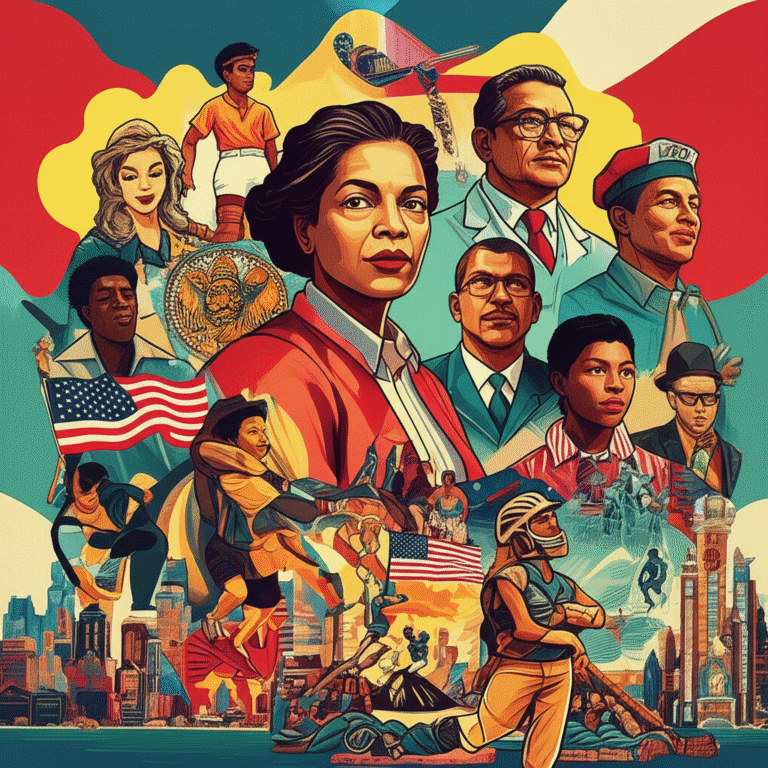
Hispanic and Latino Americans have shaped the United States in every region and in fields ranging from science and the arts to public service and entrepreneurship. Their histories include Indigenous and colonial roots, migration and settlement, community-building, political movements, and cultural innovation.
The U.S. Census Bureau publishes data about Hispanic-origin populations, while the National Park Service’s Latino heritage resources connect national history to specific people and places. Statistics can show broad patterns; individual stories remind us that no statistic can stand in for a person.
Military Service and Latino Veterans
Hispanic and Latino Americans have served in the U.S. Armed Forces across generations. The U.S. Department of Veterans Affairs and Department of Defense provide information about service members, veterans, and commemorations.
When discussing military service, use careful sourcing and distinguish between active-duty personnel, veterans, award recipients, and historical estimates. Numbers can vary by year and by how a source defines Hispanic identity; avoid repeating an old statistic as if it were current.
🤝 Celebrating Respectfully and Avoiding Common Pitfalls
Good intentions help, but they aren’t enough. A respectful celebration is specific, sourced, and shaped with the people whose histories or work it highlights.
How to Avoid Stereotypes and Tokenism
- Don’t assume one person can speak for every Hispanic or Latino community.
- Don’t reduce the celebration to food, costumes, music, or flags.
- Don’t use cultural symbols without understanding their meaning or asking permission when appropriate.
- Pay performers, artists, speakers, and consultants for their expertise.
- Include both celebration and history, including discrimination, activism, and community resilience.
- Credit creators and link to their work.
The goal isn’t to make celebrations solemn. It’s to make them more complete—and, frankly, more interesting.
How to Choose Inclusive Language
Use the terms people use for themselves. If you’re writing for a broad audience, explain the scope of your language and avoid implying that “Hispanic,” “Latino,” or “Latinx” is universally preferred.
A useful editorial rule: be as specific as you can, and as broad as you must. Say “Mexican American,” “Dominican,” “Afro-Latino,” or a community’s own name when the source supports it. Don’t infer identity from language, birthplace, appearance, or surname.
Why Hispanic Heritage Month Is Not a Substitute for Year-Round Inclusion
A month of events cannot replace inclusive hiring, equitable education, representative publishing, or lasting support for local communities. Nor should the work be left to Hispanic and Latino employees, students, or neighbors to organize and explain.
Use the month as a starting point: examine whose voices are missing, compensate cultural contributors, build partnerships, and keep relevant books and history in the year-round curriculum.
📊 Hispanic Heritage Month: Quick Facts and Key Dates
Here is a quick-reference snapshot. Dates and historical details are easiest to verify through government archives and recognized cultural institutions.
| Topic | Fact | Reliable starting point |
|---|---|---|
| Annual observance | September 15–October 15 | HispanicHeritageMonth.gov |
| Origins | Began as a weeklong observance in 1968 | National Archives |
| Month-long recognition | Expanded by legislation in 198 | Congress.gov |
| September 15 | Independence anniversaries of five Central American countries | U.S. Department of State |
| September 16 | Mexico’s Independence Day | National Museum of American History |
| September 18 | Chile’s Fiestas Patrias | Government of Chile |
| Range of identities | Hispanic-origin identity includes many racial, ethnic, and national backgrounds | U.S. Census Bureau |
One more useful perspective comes from the featured video, which describes the month as a celebration with no single required format and highlights art, dance, and food. That’s a good invitation—but the fuller picture includes history, identity, community, and year-round contributions too.



When will the official 2025 HHM theme be posted?