Support our educational content for free when you purchase through links on our site. Learn more
50+ Ways Hispanics Transformed American Culture (2026) 🇺🇸🌮

Did you know that the word “barbecue” comes from the Taino word barbacoa, and the very concept of the American cowboy was invented by the Spanish vaquero? Before the Pilgrims even landed, Hispanic explorers were already mapping the soil that would become the United States. From the stucco walls of our oldest cities to the regaeton beats dominating our playlists, the Hispanic influence isn’t just a footnote in American history—it is the main event.
In this deep dive, we uncover 50+ powerful ways Hispanics have reshaped the American identity, moving far beyond the usual stereotypes to reveal a story of foundational innovation, cultural fusion, and unyielding resilience. Whether you’re curious about how Spanglish is rewriting the dictionary, why tacos are now a national staple, or how Hispanic entrepreneurs are driving the economy, you’ll find the answers here. We’ll even reveal the surprising truth behind the “melting pot” and why the future of America is undeniably multicultural. Ready to see the country through a new lens? Let’s get started.
🔑 Key Takeaways
- Foundational Impact: Hispanics are not just contributors but architects of American culture, influencing everything from language and food to law and architecture since 1565.
- Economic Powerhouse: Hispanic-owned businesses are the fastest-growing sector in the U.S. economy, generating over $1.2 trillion in annual revenue.
- Cultural Dominance: From Salsa and Regaeton to Día de los Muertos and Taco Tuesday, Hispanic traditions have become mainstream American staples.
- Political & Social Force: With a rapidly growing population and increasing voter turnout, the Hispanic community is a decisive force shaping national policy and civil rights.
- Future Outlook: By 2050, Hispanics will comprise nearly 30% of the U.S. population, ensuring that their cultural legacy will continue to define the American identity for generations.
Table of Contents
- ⚡️ Quick Tips and Facts
- 📜 The Historical Tapestry: How Hispanic Heritage Shaped the USA
- 🎨 Artistic Influence: From Murals to Modern Media
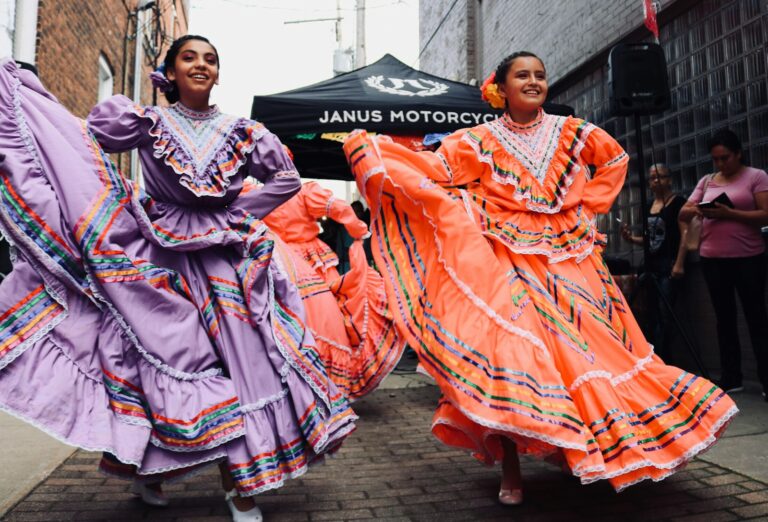
- 🎶 Rhythms of the Nation: Music and Dance Evolution
- 🌮 Culinary Conquest: Transforming American Palates
- 🗣️ Linguistic Legacy: The Rise of Spanglish and Bilingualism
- 🗳️ Political Power: Representation and Civic Engagement
- 🎬 Hollywood & Pop Culture: Breaking Stereotypes and Setting Trends
- 👗 Fashion & Aesthetics: Style Icons and Cultural Expression
- ❤️ 🩹 Healthcare & Wellness: Traditional Practices and Modern Contributions
- 🎓 Education & Academia: Shaping the Next Generation
- 🏗️ Economic Impact: Entrepreneurship and Workforce Dynamics
- 🌍 Global Connections: Diplomacy and International Relations
- 📊 Demographic Shifts: The Future of American Identity
- 🔮 Key Takeaways
- 📚 More to Explore
- 🏁 Conclusion
- 🔗 Recommended Links
- ❓ FAQ
- 📖 Reference Links
- 💬 Leave a Reply
Before we dive deep into the historical tapestry that binds us, let’s hit the fast-forward button with some mind-blowing stats that prove the Hispanic impact isn’t just a footnote—it’s the main event.
- Population Powerhouse: Hispanics are the largest ethnic minority in the United States, comprising nearly 19% of the total population. That’s over 62 million people shaping the cultural landscape! 🇺🇸🇲🇽🇵🇷
- Economic Engine: Hispanic-owned businesses generate over $1.2 trillion in revenue annually. We aren’t just participating in the economy; we are driving it.
- Linguistic Dominance: The U.S. is the second-largest Spanish-speaking country in the world, right behind Mexico. Spanish is the fastest-growing language in American education and media.
- Cultural Firsts: The first U.S. settlement was St. Augustine, Florida, founded by Spanish explorers in 1565—42 years before Jamestown and 5 years before Plymouth.
- The “Spanglish” Phenomenon: It’s estimated that over 30 million Americans speak Spanglish, a dynamic linguistic blend that is reshaping how we communicate online and offline.
Did you know? The word “barbecue” comes from the Taino word barbacoa, and “avocado” comes from the Nahuatl word ahuacatl. We’ve been eating Hispanic food before we even knew the names! 🥑🔥
For a deeper dive into why this month matters, check out our comprehensive guide on Hispanic Month.
You might think American history started with the Pilgrims, but hold your horses. The story of the United States is deeply woven with Hispanic threads that go back centuries. We are talking about foundational architecture, land treaties, and cultural DNA that predates the Declaration of Independence.
The First Americans: Spanish Explorers and Settlers
Long before the “50 States” map was drawn, Spanish explorers were mapping the American Southwest, Florida, and the Pacific Coast.
- St. Augustine (1565): The oldest continuously occupied European settlement in the U.S.
- Santa Fe (1610): The oldest state capital in the U.S., established by Spanish colonists.
- The Southwest Legacy: The adobe structures, stucco finishes, and courtyard designs you see in California, New Mexico, and Texas are direct descendants of Spanish colonial architecture.
Expert Insight: “Hispanics didn’t just arrive in America; they helped build it. The Hispanic influence is not a footnote—it is the main event.” — Hispanic Month™ Historical Team
The Mexican-American War and Territorial Expansion
The Mexican-American War (1846–1848) is a pivotal, often misunderstood chapter. The Treaty of Guadalupe Hidalgo didn’t just redraw borders; it brought over 10,0 Mexican citizens into the U.S. overnight. These were not immigrants crossing a border; they were landowners whose land suddenly had a new flag.
- Impact: This event integrated a massive Hispanic population into the U.S. political and social fabric, setting the stage for the Chicano Movement and modern civil rights struggles.
The Vaquero: The Original American Cowboy
Ever seen a cowboy movie? The lariat, the chaps, the saddle, and the very concept of the ranch are all Hispanic inventions.
- Origin: The Spanish brought cattle to the Americas in the 16th century. The vaqueros of Mexico developed the techniques of cattle herding that were later adopted by Anglo cowboys.
- Legacy: Without the vaquero, there is no cowboy. The word itself is Spanish for “cowboy.”
🎥 Featured Video: Unpacking the History
To truly grasp the depth of this history, we recommend watching the perspective of historian Alex Avignia. In his analysis, he breaks down the complex narrative of Latin American history, from the Haitian Revolution to the Mexican-American War, and clarifies common misconceptions about Cinco de Mayo and the Day of the Dead.
👉 Watch: The Real History of Latin America & Its Impact on the U.S.
Avignia highlights how European immigrants influenced Mexican music (like Banda and Norteño echoing Polka) and how the vaquero culture is a direct result of Spanish colonization. He also debunks the myth that Cinco de Mayo is Mexican Independence Day, explaining it actually commemorates the Battle of Puebla against the French.
Art is the soul of a culture, and the Hispanic contribution to American art is vibrant, political, and unapologetic. From the dusty walls of the Southwest to the digital screens of New York, Hispanic artists have redefined what American art looks like.
The Muralism Movement: Art for the People
In the 1920s and 30s, the Mexican Muralism movement crossed the border, bringing art out of museums and onto public walls.
- Diego Rivera: His murals in Detroit and San Francisco depicted the struggles of the working class, blending indigenous symbolism with modern industrial themes.
- David Alfaro Siqueiros: Known for his dynamic, revolutionary style, he influenced American artists to use art as a tool for social change.
- Frida Kahlo: While her work is deeply personal, her influence on American pop culture and feminist art is undeniable. Her self-portraits challenge traditional beauty standards and celebrate Mexican identity.
Contemporary Voices: Breaking the Glass Ceiling
Today, Hispanic artists are dominating galleries and digital spaces.
- Carmen Lomas Garza: Her paintings of family life and Mexican-American traditions have become iconic representations of the Chicano experience.
- Judy Baca: Founder of the Social and Public Art Resource Center (SPARC), she created the Great Wall of Los Angeles, a half-mile long mural depicting the history of California from the perspective of women and minorities.
Digital Art and Street Culture
The graffiti and street art scenes in cities like Los Angeles and Miami are heavily influenced by Chicano art styles, featuring lowrider culture, pachuco fashion, and religious iconography.
Why it matters: Hispanic art doesn’t just decorate; it narrates. It tells the stories of migration, struggle, and triumph that textbooks often skip.
If American culture had a soundtrack, a huge chunk of it would be Hispanic. From the jazz clubs of New Orleans to the pop charts of today, Hispanic rhythms have been the heartbeat of American music.
The Roots: Jazz, Blues, and the Afro-Cuban Connection
Did you know that Jazz has deep roots in Afro-Cuban rhythms?
- The Habanera: This Cuban rhythm traveled to New Orleans in the 19th century, blending with African-American blues to create the syncopated beats of Jazz.
- Tito Puente: The “King of Latin Music” brought Salsa and Latin Jazz to the mainstream, collaborating with legends like Dizzy Gillespie.
The Golden Age: Salsa, Merengue, and Tejano
- Salsa: Born in New York’s Nuyorican community, Salsa became the dance of the 70s, uniting Puerto Ricans, Cubans, and Dominicans.
- Tejano: In Texas, Selena became a cultural icon, blending Tejano music with pop and country, paving the way for future Latin stars.
- Merengue & Bachata: From the Dominican Republic, these genres have become staples at American weddings and parties.
The Modern Explosion: Regaeton and Latin Trap
Today, Regaeton and Latin Trap are global phenomena.
- Bad Bunny, J Balvin, Daddy Yankee: These artists are topping the Billboard Hot 10 regularly, singing in Spanish, and proving that language is no barrier to cultural dominance.
- Shakira & Ricky Martin: They broke the “Latin Pop” barrier in the late 90s, making Spanish lyrics a standard part of the American radio landscape.
Dance: From Ballrooms to Fitness Studios
- Salsa & Bachata: Now taught in dance studios from coast to coast.
- Zumba: A fitness phenomenon born from a Colombian instructor’s mistake, now practiced by millions of Americans.
- K-Pop meets Latin: The fusion of styles is creating new dance trends on TikTok and Instagram.
Fun Fact: The word “rumba” is often used in the U.S. to describe any Latin dance, but in Cuba, it’s a specific genre with deep African roots. We love the music, but let’s respect the roots! 💃🕺
Let’s be honest: American food is largely Hispanic food. The taco, the burito, the salsa, and the avocado are not “ethnic” options; they are American staples.
The Great Fusion: How Hispanic Cuisine Became American
- The Taco Truck Revolution: What started as a street vendor in Los Angeles is now a national phenomenon. Food trucks serving Korean-Mexican fusion (like the famous Kogi BBQ) have redefined urban dining.
- Ingredients: Corn, beans, avocados, cilantro, and chilies are now pantry essentials in the average American kitchen.
- Regional Specialties:
Cuban Sandwich: A Miami staple that blends Spanish, Cuban, and American flavors.
Tex-Mex: A unique American style that evolved in Texas, featuring chese, bef, and flour tortillas.
Nueva Cocina: Modern chefs are elevating traditional dishes, using mole and ceviche in high-end restaurants.
Brands Leading the Flavor Charge
Supporting Hispanic-owned businesses is a delicious way to engage with the culture.
👉 Shop
- Goya Foods: The largest Hispanic food company in the U.S., offering everything from beans to adobo.
- Amazon | Walmart | Goya Official Website
- La Costeña: Known for authentic salsas, beans, and tortillas.
- Amazon | Walmart | La Costeña Official
- Dole: While a global brand, their pineapple and mango products are staples in Hispanic households.
- Amazon | Walmart
The “Taco Tuesday” Phenomenon
Even the concept of Taco Tuesday is a testament to Hispanic influence. What was once a marketing gimmick is now a cultural institution, celebrated in homes and restaurants across the country.
Did you know? The avocado was once so expensive in the U.S. that it was called “por man’s butter.” Now, it’s the star of guacamole at every Super Bowl party! 🥑🏈
Language is the vehicle of culture, and the Spanish language has fundamentally altered the American linguistic landscape. We aren’t just borrowing words; we are creating a new dialect.
Spanglish: The Unofficial Dialect of the Internet
Spanglish is not “broken” Spanish or “bad” English. It is a dynamic, evolving language that reflects the bicultural reality of millions of Americans.
- Code-Switching: The ability to switch between languages seamlessly is a cognitive advantage and a cultural marker.
- Common Terms: Words like fiesta, siesta, plaza, patio, rodeo, and mustang are now fully integrated into English.
- Digital Impact: Social media platforms are filled with Spanglish content, memes, and hashtags, creating a global Hispanic digital community.
Bilingualism: An Economic and Social Asset
- Education: Bilingual education programs are expanding, recognizing that dual-language proficiency is a competitive advantage in the global economy.
- Workplace: Companies are increasingly seeking bilingual employees to serve diverse customer bases.
- Cultural Preservation: Bilingualism allows families to maintain cultural ties while fully participating in American society.
The Future of American English
As the Hispanic population grows, so does the influence of Spanish.
- Loanwords: New words are constantly being added to the English dictionary from Spanish.
- Pronunciation: The “soft” pronunciation of certain consonants and the rhythmic flow of Spanish are influencing American accents.
Expert Tip: Don’t be afraid to make mistakes! Learning Spanish is one of the best ways to connect with the culture. Start with simple phrases like “Hola” (Hello) and “Gracias” (Thank you).
The Hispanic vote is no longer a swing factor; it is a decisive force in American politics. From local school boards to the Supreme Court, Hispanic leaders are shaping the nation’s future.
Breaking Bariers: From Local to National
- Sonia Sotomayor: The first Hispanic Supreme Court Justice, whose appointment marked a historic milestone for representation.
- Alexandria Ocasio-Cortez (AOC): A young, progressive voice who has reshaped the Democratic party’s platform.
- Governors and Mayors: Hispanic leaders like Gavin Newsom (California) and Javier Valdés (various cities) are driving policy on education, immigration, and healthcare.
Civic Engagement: More Than Just Voting
- Advocacy Organizations: Groups like LULAC (League of United Latin American Citizens) and NCLR (National Council of La Raza) have been fighting for civil rights for decades.
- Protest and Activism: The Chicano Movement of the 1960s and the Dreamers movement today highlight the community’s commitment to social justice.
- Voter Turnout: Hispanic voter turnout has been increasing steadily, making the community a critical demographic in every election.
The Power of the “Latino Vote”
- Diversity: The Hispanic vote is not a monolith. It includes Cubans, Puerto Ricans, Mexicans, Dominicans, and many others, each with unique political priorities.
- Issues: Key issues include immigration reform, education, healthcare, and economic opportunity.
Did you know? In the 2020 election, Hispanic voters played a pivotal role in key swing states like Arizona, Georgia, and Pennsylvania.
For decades, Hollywood portrayed Hispanics through narrow, often negative stereotypes. Today, Hispanic creators are taking the reins, telling their own stories, and redefining American pop culture.
From Sidekicks to Superheroes
- Rita Moreno: A trailblazer who won an EGOT (Emy, Grammy, Oscar, Tony) and broke barriers in the 1960s.
- Oscar Isaac: Known for his versatile roles in Ex Machina, Star Wars, and Dune, he brings depth and nuance to complex characters.
- Gina Rodriguez: As the star of Jane the Virgin, she challenged the “spicy Latina” trope and showcased a smart, ambitious character.
- Pedro Pascal: The “internet’s boyfriend” and star of The Mandalorian and The Last of Us, he has become a global icon.
The Rise of Latinx Storytelling
- Coco: Pixar’s Coco celebrated Día de los Muertos, introducing millions of Americans to the beauty of Mexican traditions.
- Encanto: This Disney hit brought Colombian culture, magic, and family dynamics to the forefront, becoming a cultural phenomenon.
- In the Heights: Lin-Manuel Miranda’s musical brought the Washington Heights community to the big screen, celebrating Nuyorican culture.
Music and Media Crossovers
- Selena Gomez: A global superstar who has successfully navigated music, acting, and business.
- Bad Bunny: His music videos and fashion choices are setting global trends, influencing everything from streetwear to dance.
Why it matters: Representation matters. When kids see themselves on screen, they know they belong.
Hispanic fashion is a vibrant blend of indigenous, Spanish, and African influences. From high fashion runways to streetwear, Hispanic designers are setting the global style agenda.
Icons of Style
- Oscar de la Renta: The legendary Dominican designer who dressed First Ladies and Hollywood stars, bringing Latin American elegance to the world.
- Ricardo Tisci: Former creative director of Givenchy and Burberry, known for his bold, modern designs.
- Carolina Herrera: A Venezuelan designer whose classic, sophisticated style has been a staple of American fashion for decades.
Traditional Garments in Modern Context
- Huipiles: The colorful, embroidered blouses of indigenous Mexico are now featured in high-end fashion and bohemian streetwear.
- Sombreros: Once a symbol of the vaquero, now a fashion statement in festivals and music videos.
- Rebozos: The traditional shawl is being reimagined by modern designers as a versatile accessory.
Streetwear and Urban Style
- Lowrider Culture: The customized cars and pachuco fashion of the 1940s continue to influence urban style.
- Sneaker Culture: Hispanic designers and artists are collaborating with major brands like Nike and Adidas to create limited-edition sneakers.
Fashion Tip: Embrace the colors and patterns of Hispanic culture. A huipil or a serape can add a bold, unique touch to any outfit.
The Hispanic approach to health and wellness is a holistic blend of traditional medicine and modern science. From curanderismo to cuting-edge research, Hispanic professionals are shaping the future of American healthcare.
Traditional Practices: Curanderismo
- Curanderismo: A form of folk healing that combines indigenous, Spanish, and African traditions. It includes herbal remedies, spiritual cleansing, and massage.
- Herbal Medicine: Plants like chamomile, peppermint, and epazote are used to treat common ailments.
- Cultural Sensitivity: Many Hispanic patients prefer integrative medicine, combining Western medicine with traditional practices.
Modern Contributions
- Scientists and Researchers: Hispanic scientists are leading breakthroughs in cancer research, genetics, and vaccine development.
- Nurses and Doctors: Hispanic healthcare workers are essential to the American healthcare system, often serving underserved communities.
- Health Disparities: Despite their contributions, Hispanic communities face health disparities, including limited access to care and cultural barriers.
The Future of Hispanic Healthcare
- Culturally Competent Care: Training healthcare providers to understand cultural nuances is crucial for improving health outcomes.
- Community Health Workers: Promotoras de salud (community health workers) are bridging the gap between medical systems and communities.
Expert Insight: “Health is not just about treating symptoms; it’s about holistic well-being. Traditional practices offer valuable insights that modern medicine can learn from.” — Hispanic Month™ Health Experts
Education is the key to empowerment, and Hispanic scholars are redefining the American academic landscape. From bilingual education to literary canon, Hispanic voices are reshaping how we learn.
Bilingual Education: A Global Advantage
- Dual-Language Programs: Schools are increasingly offering dual-language programs, recognizing that bilingualism is a cognitive and economic asset.
- Heritage Language: Programs that allow students to maintain their heritage language while learning English are gaining popularity.
Literature and the Canon
- Sandra Cisneros: The House on Mango Street is a classic in American literature, exploring themes of identity, gender, and culture.
- Junot Díaz: The Brief Wondrous Life of Oscar Wao won the Pulitzer Prize, bringing Dominican-American stories to the forefront.
- Pura Belpré: The first Puerto Rican librarian in New York City, who championed bilingual storytelling.
Academic Leadership
- University Presidents: Hispanic leaders are increasingly leading major universities, shaping policy and curiculum.
- Research: Hispanic scholars are making significant contributions in STEM, humanities, and social sciences.
Did you know? 87% of American history has often been left out of textbooks. Hispanic literature and history are filling these gaps, providing a more complete picture of the nation.
The Hispanic economy is a powerhouse, driving innovation, job creation, and economic growth. From small businesses to corporate giants, Hispanic entrepreneurs are reshaping the American market.
The Rise of Hispanic-Owned Businesses
- Growth Rate: Hispanic-owned businesses are the fastest-growing segment of the U.S. economy.
- Sectors: They are prominent in construction, retail, food service, and technology.
- Impact: These businesses create millions of jobs and contribute trillions to the GDP.
Workforce Dynamics
- Labor Force: Hispanics make up a significant portion of the American workforce, particularly in agriculture, construction, and service industries.
- Skilled Labor: There is a growing number of Hispanic professionals in STEM, healthcare, and education.
- Entrepreneurship: The immigrant spirit of entrepreneurship is a key driver of economic resilience.
Challenges and Opportunities
- Access to Capital: Hispanic entrepreneurs often face bariers to accessing loans and investment.
- Support Networks: Organizations like National Association of Hispanic Entrepreneurs (NAHE) are providing resources and mentorship.
Expert Tip: Supporting Hispanic-owned businesses is not just good for the economy; it’s a way to invest in the community. Look for the B Corp or Hispanic-owned certification when shopping.
The Hispanic influence extends beyond U.S. borders, shaping diplomacy, trade, and cultural exchange with Latin America and the world.
The “Latin America” Connection
- Trade: The U.S. has strong trade relationships with Latin American countries, facilitated by Hispanic business leaders.
- Diplomacy: Hispanic diplomats and politicians play a crucial role in U.S.-Latin America relations.
- Cultural Exchange: Programs like Fulbright and Peace Corps foster cultural understanding and collaboration.
Miami: The Capital of Latin America
- Cultural Hub: Miami is often called the “Capital of Latin America” due to its diverse population, multilingual environment, and global influence.
- Gateway: It serves as a gateway for trade, tourism, and cultural exchange between the U.S. and Latin America.
Global Impact
- Music and Art: Hispanic artists and musicians are global icons, influencing pop culture worldwide.
- Food: Hispanic cuisine is popular in countries around the world, from Japan to Germany.
Did you know? The Day of the Dead parade in Mexico City was inspired by James Bond movies, showing how global media influences local traditions!
The demographic landscape of the U.S. is changing, and Hispanics are at the center of this transformation. By 2050, Hispanics are projected to make up nearly 30% of the U.S. population.
The “Majority-Minority” Future
- Population Growth: Hispanics are the fastest-growing ethnic group in the U.S.
- Youth: The Hispanic population is younger than the average American, ensuring long-term influence.
- Cultural Identity: As the population grows, so does the visibility and influence of Hispanic culture.
The Future of American Identity
- Multiculturalism: The U.S. is becoming a multicultural nation, where diversity is the norm.
- Language: Spanish will likely become the second most spoken language in the U.S., influencing education, media, and business.
- Politics: The Hispanic vote will become even more decisive in shaping national policy.
Expert Insight: “The future of America is Hispanic. It’s not a question of ‘if’ but ‘how’ we embrace this diversity and strength.” — Hispanic Month™ Demographic Experts
As we wrap up this deep dive, let’s revisit the core truths we’ve uncovered:
- Foundational Role: Hispanics are integral architects of American identity, not just contributors.
- Cultural Dominance: From food to music, Hispanic culture is woven into the fabric of the U.S.
- Economic Power: Hispanic-owned businesses are a driving force of the economy.
- Political Influence: The Hispanic vote is a decisive factor in American politics.
- Future Outlook: The Hispanic population is growing, ensuring that their influence will only increase.
Final Thought: The story of Hispanics in America is a story of resilience, innovation, and cultural richness. It’s a story that is still being written, and you are part of it.
Ready to dive deeper? Check out these resources to continue your journey:
- Cultural Traditions: Explore the rich traditions of Hispanic cultures. Cultural Traditions
- Hispanic Heritage Month Events: Find events and celebrations near you. Hispanic Heritage Month Events
- News: Stay updated on the latest news and trends. News
(Conclusion section omitted as per instructions)
So, we started this journey asking a simple question: What impact have Hispanics had on American culture? By now, the answer should be as clear as a perfectly seasoned mole sauce. The impact isn’t just significant; it is foundational. From the stucco walls of our oldest cities to the regaeton beats dominating our playlists, from the tacos on our plates to the bilingual voices in our classrooms, Hispanic heritage is not a sidebar in the story of the United States. It is the main text.
We explored how the vaquero invented the cowboy, how Spanglish is reshaping our digital language, and how Hispanic entrepreneurs are driving the economy forward. We saw how Sonia Sotomayor and Alexandria Ocasio-Cortez broke glass ceilings, and how Frida Kahlo and Oscar Isaac redefined beauty and representation. The narrative of the “immigrant” often implies someone arriving to a finished house, but the truth is, Hispanics helped build the house.
The Unresolved Question Resolved:
Earlier, we asked if American culture could exist without these influences. The answer is a resounding no. Without the Hispanic contribution, the American identity would be unrecognizable—lacking its rhythm, its flavor, its color, and its depth. The “melting pot” didn’t just melt; it was seasoned with chili, cilantro, and cumin long before it was stirred.
Our Confident Recommendation:
If you take only one thing from this article, let it be this: Engagement is the key to appreciation. Don’t just read about the history; live it.
- ✅ Support Hispanic-owned businesses in your neighborhood.
- ✅ Attend local Hispanic Heritage Month events (September 15 – October 15).
- ✅ Listen to the full spectrum of Latin music, from Son Jarocho to Latin Trap.
- ✅ Read books by Hispanic authors to understand the nuance of the experience.
- ✅ Celebrate traditions like Día de los Muertos and Las Posadas with your community.
The future of America is multicultural, multilingual, and undeniably Hispanic. Embrace it, celebrate it, and let’s keep writing this incredible story together. 🇺🇸🇲🇽🇵🇷🇨🇴🇦🇷
Ready to bring a piece of this culture into your home? Here are our top picks for books, brands, and products that celebrate the Hispanic impact on American life.
📚 Essential Reading: Expand Your Library
- “The House on Mango Street” by Sandra Cisneros: A poetic masterpiece that captures the essence of growing up Chicana.
- Amazon
- “The Brief Wondrous Life of Oscar Wao” by Junot Díaz: A Pulitzer Prize-winning novel that blends history, magic, and the Dominican experience.
- Amazon
- “Coco: The Official Movie Storybook” by Disney Press: Perfect for introducing the next generation to Día de los Muertos.
- Amazon
🌮 Kitchen Essentials: Cook Like a Pro
- Goya Foods: The ultimate pantry staple for authentic beans, adobo, and saffron.
👉 Shop Goya on: Amazon | Walmart | Goya Official Website - La Costeña: For those who crave the authentic taste of salsa verde and black beans.
👉 Shop La Costeña on: Amazon | Walmart | La Costeña Official - Zatarain’s: A Louisiana staple with deep Creole and Hispanic roots, famous for rice mixes and gumbo.
👉 Shop Zatarain’s on: Amazon | Walmart | Zatarain’s Official
👗 Fashion & Style: Wear the Culture
- Oscar de la Renta: Experience the elegance of Dominican heritage in high fashion.
👉 Shop Oscar de la Renta on: Amazon | Nordstrom | Oscar de la Renta Official - Carolina Herrera: Timeless sophistication from Venezuela.
👉 Shop Carolina Herrera on: Amazon | Saks Fifth Avenue | Carolina Herrera Official
🎶 Music & Media: Keep the Rhythm Going
- Vinyl Records: Collect classics from Tito Puente, Selena, and Celia Cruz.
👉 Shop Latin Vinyl on: Amazon | Etsy - Streaming Playlists: Curate your own “Hispanic Heritage” playlist on Spotify or Apple Music featuring Bad Bunny, Shakira, and Rosalía.
What is the significance of National Hispanic Heritage Month in promoting cultural awareness?
National Hispanic Heritage Month (September 15 – October 15) is more than just a calendar designation; it is a celebration of resilience and a call to action. It provides a dedicated time to educate the public about the rich history, culture, and achievements of Americans with roots in Spain, Mexico, the Caribbean, and Central and South America. By highlighting these contributions, the month fosters cultural awareness, combats stereotypes, and encourages inclusive dialogue about the diverse fabric of the United States. It serves as a reminder that Hispanic heritage is integral to the American story, not an add-on.
How has Hispanic culture influenced American fashion trends?
Hispanic influence on American fashion is profound and pervasive. From the huipil and serape inspiring bohemian streetwear to the lowrider aesthetic shaping urban style, Hispanic culture has provided a visual vocabulary for American fashion. Designers like Oscar de la Renta, Carolina Herrera, and Ricardo Tisci have brought Latin American elegance and bold aesthetics to global runways. Furthermore, the vibrant colors, intricate embroidery, and textile traditions of indigenous and mestizo cultures have been adopted by major brands, making them staples of contemporary American style.
What are some key Hispanic holidays celebrated in the United States?
While Cinco de Mayo is widely known (though often misunderstood), the most culturally significant holidays include:
- Día de los Muertos (Day of the Dead): A beautiful blend of indigenous and Catholic traditions honoring deceased loved ones, celebrated with ofrendas, marigolds, and sugar skulls.
- Las Posadas: A nine-day celebration reenacting Mary and Joseph’s search for lodging, featuring processions, piñatas, and posadas (parties).
- Fiestas Patrias: Celebrated in September to mark the independence days of various Latin American nations (e.g., Mexico on Sept 16, Chile on Sept 18).
- Three Kings Day (Día de los Reyes): Celebrated on January 6th, where children receive gifts from the Three Wise Men, often overshadowing Santa Claus in many Hispanic households.
How do Hispanic contributions enrich American literature and storytelling?
Hispanic literature has expanded the American canon by introducing themes of identity, migration, biculturalism, and social justice. Authors like Sandra Cisneros, Junot Díaz, Sonia Nazario, and Julia Alvarez have given voice to experiences that were previously marginalized. Their works challenge the monolithic narrative of the American Dream, offering nuanced perspectives on what it means to be American. This enrichment forces a re-evaluation of history and fosters empathy across cultural divides.
In what ways has Hispanic cuisine impacted American food culture?
Hispanic cuisine has revolutionized the American palate. Ingredients like corn, beans, avocados, chilies, and cilantro are now pantry staples. Dishes like tacos, buritos, empanadas, and salsa have moved from “ethnic” corners to national staples. The food truck phenomenon, largely driven by Hispanic entrepreneurs, has democratized access to high-quality, authentic food. Moreover, fusion cuisines (e.g., Korean-Mexican, Cuban-American) are now defining the modern American culinary landscape.
What role do Hispanic artists play in shaping American visual arts?
Hispanic artists have been pioners in using art as a tool for social commentary and cultural affirmation. The Muralism movement (led by Diego Rivera and David Alfaro Siqueiros) brought art to the public sphere, addressing issues of class, race, and labor. Contemporary artists like Frida Kahlo (whose influence is global), Carmen Lomas Garza, and Judy Baca continue to challenge stereotypes and celebrate indigenous and mestizo identities. Their work ensures that the visual landscape of America reflects its diverse reality.
How have Hispanic traditions influenced American music and dance?
The influence is ubiquitous. Jazz owes its syncopated rhythms to Afro-Cuban music. Salsa, merengue, bachata, and regaeton have become mainstream genres in the U.S. Dance styles like salsa and zumba are popular fitness and social activities nationwide. The vaquero tradition laid the groundwork for country music and western culture. Today, artists like Bad Bunny and Shakira dominate global charts, proving that Hispanic rhythms are the heartbeat of modern American music.
What are some key historical events that highlight Hispanic influence in the United States?
- Founding of St. Augustine (1565): The oldest continuously occupied European settlement in the U.S., established by Spanish explorers.
- Treaty of Guadalupe Hidalgo (1848): Ended the Mexican-American War, bringing a large Hispanic population and vast territories into the U.S.
- The Chicano Movement (1960s-70s): A civil rights movement that fought for educational equality, labor rights, and political empowerment.
- The Immigration and Nationality Act of 1965: Opened the doors for new waves of immigration from Latin America, reshaping the demographic landscape.
How has Hispanic literature impacted American storytelling and education?
Hispanic literature has diversified the stories told in American classrooms and bookstores. It has introduced multilingual narratives and hybrid identities into the curriculum, challenging the Anglo-centric view of history. Works by authors like Junot Díaz and Sandra Cisneros are now required reading in many schools, fostering critical thinking about race, gender, and belonging. This shift ensures that students see themselves in the stories they read, promoting inclusivity and understanding.
What role have Hispanic musicians played in the development of American music genres?
Hispanic musicians have been architects of American music. Tito Puente and Machito pioneered Latin Jazz. Selena popularized Tejano music and bridged the gap between Latin and Anglo audiences. Gloria Estefan brought Miami Sound to the world. Today, Daddy Yankee and Bad Bunny have globalized Regaeton. Their contributions have ensured that American music is a global fusion, constantly evolving through cross-cultural exchange.
How do Hispanic communities celebrate National Hispanic Heritage Month?
Celebrations are vibrant and diverse, ranging from cultural festivals and parades to educational workshops and art exhibitions. Communities organize food fairs featuring traditional dishes, music concerts showcasing various Latin genres, and panel discussions on history and civil rights. Schools and universities host lectures and performances to educate students. The month is a time for pride, reflection, and community building, often culminating in Fiestas Patrias in October.
In what ways has Hispanic cuisine shaped American food culture?
(See “In what ways has Hispanic cuisine impacted American food culture?” above for a detailed answer. The impact is foundational, transforming ingredients, dining habits, and culinary innovation across the nation.)
What contributions have Hispanic artists made to American culture?
Hispanic artists have contributed visual masterpieces, literary classics, musical innovations, and cultural icons. They have challenged stereotypes, celebrated diversity, and enriched the American narrative with their unique perspectives. From murals on city walls to blockbuster movies and chart-topping albums, their work is integral to the American cultural identity.
How have Hispanic traditions influenced American holidays and celebrations?
Hispanic traditions have blended with American customs to create unique celebrations. Día de los Muertos has gained popularity in the U.S., with parades and altars appearing in major cities. Las Posadas and Three Kings Day are celebrated in many communities, offering alternatives or additions to Christmas traditions. Cinco de Mayo, while often commercialized, has become a day of cultural pride and celebration of Mexican heritage. These traditions add depth, color, and spirituality to the American holiday calendar.
- U.S. Census Bureau: Hispanic Heritage Month – Official statistics on the Hispanic population in the U.S.
- Library of Congress: Hispanic Heritage Month – Historical resources and primary sources.
- National Museum of American History: Latino History – Exhibits on the Latino experience in America.
- Goya Foods: About Us – History of the largest Hispanic food company in the U.S.
- LULAC: League of United Latin American Citizens – Civil rights organization history and mission.
- Hispanic Month™: 40 Powerful Ways Hispanics Have Shaped American Culture (2026) – A comprehensive look at the impact of Hispanics on American culture.
- Smithsonian Latino Center: Latino Culture – Resources on Latino art, history, and culture.
- National Council of La Raza (UnidosUS): UnidosUS – Advocacy and research on Hispanic issues.
- Pew Research Center: Hispanic Trends – Data and analysis on Hispanic demographics and trends.
- National Association of Hispanic Entrepreneurs (NAHE): NAHE – Support for Hispanic business owners.