11 Powerful Ways Hispanics Have Shaped American Culture 🇺🇸✨ (2026)

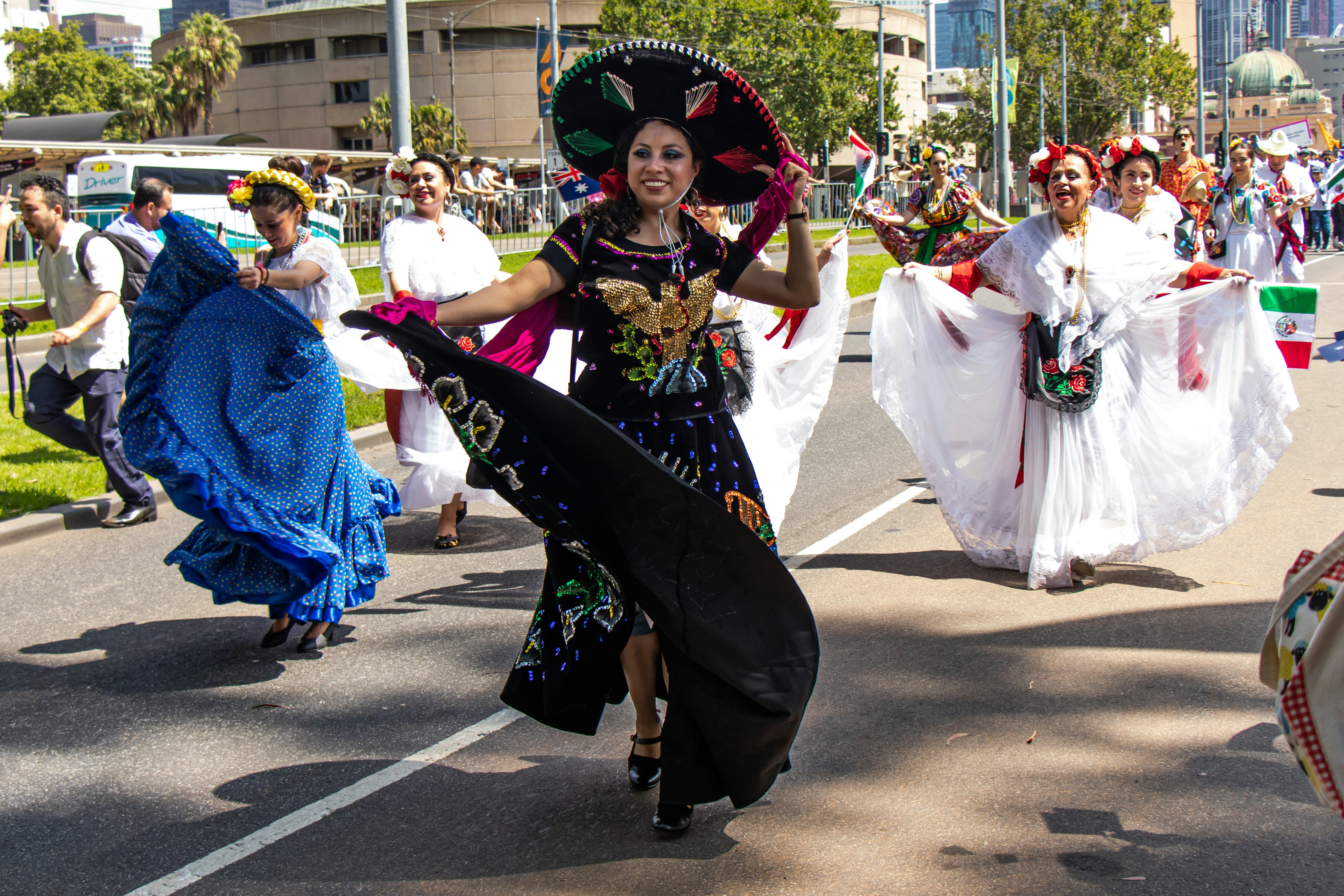
woman in black and white dress wearing black hat

Did you know that nearly 1 in 5 Americans identify as Hispanic or Latino, making their cultural influence impossible to ignore? From the sizzling flavors of street tacos to the infectious beats of salsa and reggaeton, Hispanics have infused American culture with vibrant energy and enduring traditions. But their impact goes far beyond food and music—it’s woven into the very fabric of our language, politics, art, and economy.

In this deep dive, we’ll uncover 11 powerful ways Hispanics have shaped American culture, revealing stories that might surprise you and celebrating contributions that define the nation’s evolving identity. Ever wondered how a humble tortilla became a staple on American tables or how Hispanic artists are transforming urban landscapes? Stick around, because these fascinating insights and personal stories will change the way you see America’s cultural mosaic.


Key Takeaways

  • Hispanic culture is a foundational thread in American society, influencing food, music, language, art, and architecture.
  • Economic and political power of Hispanic communities is growing rapidly, reshaping industries and governance.
  • Family values and traditions like DĂ­a de los Muertos and quinceañeras enrich the American cultural calendar.
  • Hispanic contributions to education, STEM, and innovation are nurturing the next generation of leaders.
  • The fusion of Hispanic and American cultures creates a dynamic, evolving identity that continues to shape the nation’s future.

Table of Contents


⚡️ Quick Tips and Facts

Here at Hispanic Month™, we’re thrilled you’re diving into the incredible impact Hispanic culture has had on the United States. It’s a story of vibrant contributions, resilience, and a continuous shaping of the American identity. Let’s kick things off with some rapid-fire insights!

  • Hispanic Heritage Month isn’t just a catchy phrase; it’s a federally recognized celebration from September 15 to October 15 each year. Why these dates? As Quinnipiac University reminds us, “September 15 marks the anniversary of independence for several Latin American countries,” including Costa Rica, El Salvador, Guatemala, Honduras, and Nicaragua, with Mexico and Chile celebrating soon after. It’s a powerful nod to shared history and liberation! You can learn more about our mission and the celebration at Hispanic Month.
  • Diversity is Our Strength: The term “Hispanic” or “Latino/a/x” encompasses a vast array of nationalities, languages, and cultures—from Mexican and Puerto Rican to Cuban, Dominican, Colombian, and beyond. This rich tapestry is what makes the impact so profound and multifaceted.
  • A Legacy Predating the USA: As the Smithsonian Latino Center highlights, “Latino history predates European colonization,” with Indigenous civilizations laying foundational cultural groundwork long before the U.S. existed. Spanish colonization further intermixed cultures, creating a unique heritage.
  • Economic Powerhouse: Did you know Hispanic-owned businesses are one of the fastest-growing segments in the U.S.? They’re not just creating jobs; they’re driving innovation and economic growth across various sectors.
  • Language Love: Spanish isn’t just spoken in homes; it’s increasingly integrated into mainstream American life, enriching our vocabulary and fostering a more bilingual society.
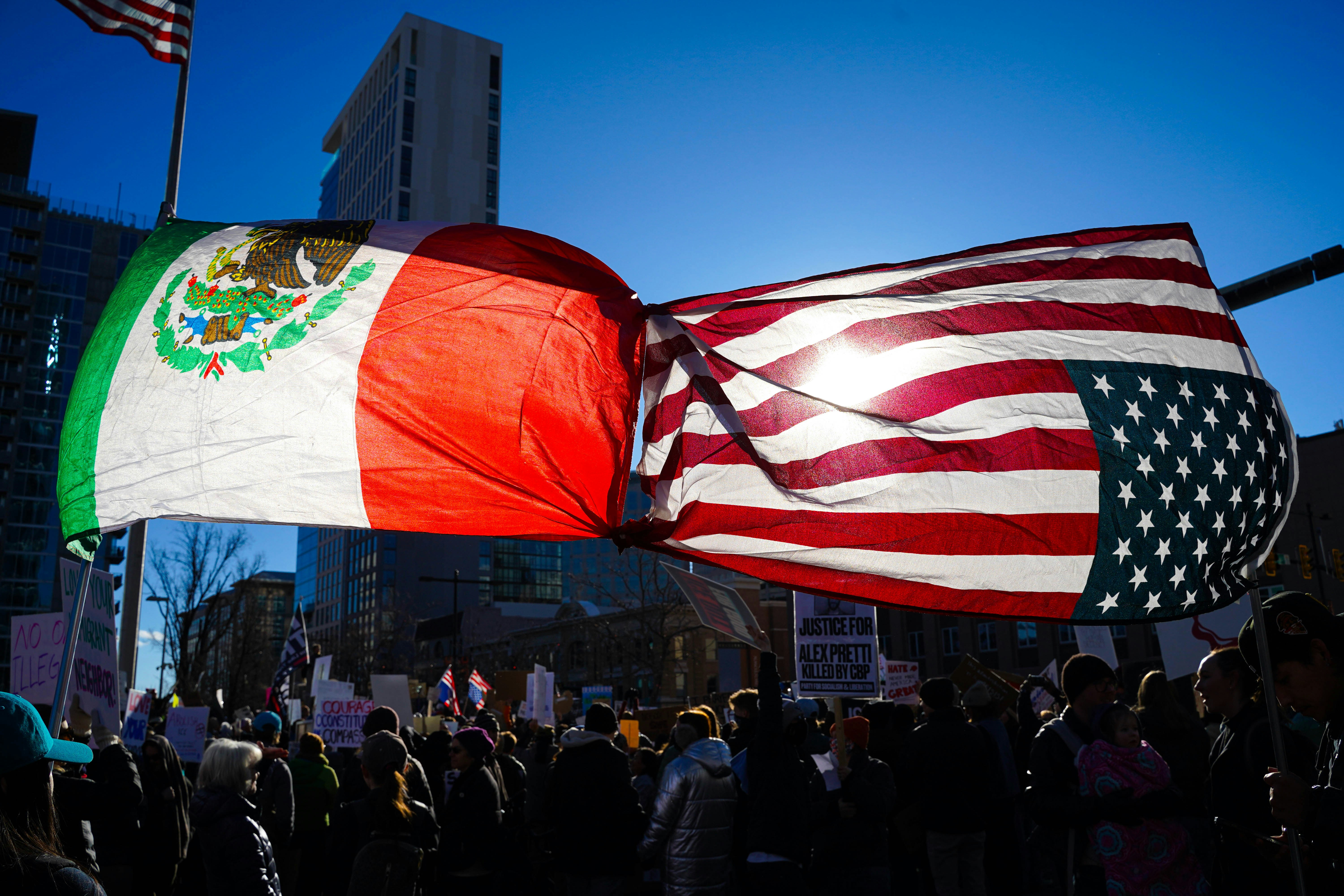
  • Cultural Fusion: From the salsa rhythms that get your feet moving to the tantalizing flavors of a perfectly seasoned taco, Hispanic culture isn’t just added to America; it’s woven into its very fabric, creating a dynamic and ever-evolving cultural landscape. As UnidosUS aptly puts it, “Latino contributions are woven into the fabric of American life.” ✅

Unpacking the Tapestry: Hispanic Roots in American Culture

Alright, amigos, let’s get real. When we talk about “American culture,” what exactly comes to mind? Is it apple pie and baseball? Sure, those are classics. But if you’re only thinking about those, you’re missing a whole lot of sabor, ritmo, and corazĂłn! The truth is, the United States has been shaped by Hispanic influences for centuries, long before it was even called the United States.

Imagine a vibrant, intricate tapestry. Each thread represents a different culture, a different history, a different people. For too long, the threads representing Hispanic and Latinx communities were either overlooked, minimized, or simply invisible in the grand narrative of America. But here at Hispanic Month™, we know better, and we’re here to pull those threads into the spotlight, showing you just how central they are to the entire design.

From the Spanish explorers who mapped vast territories and established some of the oldest cities in the U.S. (hello, St. Augustine!) to the millions of immigrants and their descendants who continue to build, innovate, and inspire, Hispanic people have been foundational. The Smithsonian Latino Center reminds us of the profound historical context, noting that “Spanish colonization in the late 1400s led to cultural intermixing, shaping diverse Latino heritage.” This wasn’t just a fleeting visit; it was a permanent settlement, a blending of worlds that created something entirely new and uniquely American.

So, what does this mean for you, for us, for everyone living in this incredible nation? It means that the “American Dream” itself is a multicultural symphony, with Hispanic voices singing some of its most powerful melodies. Ready to explore the specific ways this vibrant culture has left its indelible mark? Let’s dive in!

1. The Sabor of America: Culinary Contributions 🌮

Video: How Does Hispanic Heritage Month Impact American Culture? – History Of Latin Cultures.

If there’s one area where Hispanic culture has undeniably conquered American hearts (and stomachs!), it’s food. Forget bland, forget boring—we’re talking about a flavor revolution that has transformed dining tables from coast to coast. Our team at Hispanic Month™ can personally attest: a meal shared is a story told, and Hispanic cuisine tells some of the best stories.

From Tacos to Tamales: A Flavor Revolution

Walk into almost any American city, and you’ll find a Mexican restaurant, a Salvadoran pupuseria, a Cuban cafe, or a Puerto Rican lechonera. These aren’t just niche eateries anymore; they’re staples. The sheer variety is astounding, reflecting the diverse culinary traditions across Latin America.

  • Tacos: Let’s be honest, who doesn’t love a good taco? From authentic street tacos with carne asada and cilantro y cebolla to the crunchy, ground-beef-filled versions popularized by chains like Taco Bell (which, by the way, serves billions of tacos annually!), this Mexican staple has become a universal favorite. It’s a perfect example of cultural fusion, adapting to local tastes while retaining its delicious essence.
  • Tamales: These delightful masa pockets, often filled with meat, cheese, or fruit and steamed in corn husks or banana leaves, are a labor of love and a cornerstone of many Hispanic celebrations, especially during the holidays. My abuela used to make dozens for Christmas, and the whole family would gather to help. It’s more than food; it’s a tradition, a connection to our Cultural Traditions.
  • Arepas: A Venezuelan and Colombian delight, these versatile cornmeal patties can be split and stuffed with everything from cheese and avocado to shredded beef (carne mechada). They’re a breakfast, lunch, or dinner hero!
  • Tex-Mex: This unique regional cuisine, born from the blending of Mexican and Texan culinary traditions, has given us iconic dishes like sizzling fajitas, cheesy enchiladas, and hearty chili con carne. It’s a testament to how cultures can create something entirely new and beloved when they meet.

The Smithsonian Latino Center notes that “Iconic dishes: Arepas, Tamales, and Tex-Mex cuisine” are just a few examples of how these flavors have permeated American life. And it’s not just about the dishes themselves, but the brands that bring these flavors to our homes.

Beyond the Plate: Ingredients and Innovations

It’s not just the finished dishes; it’s the ingredients and cooking techniques that have enriched American kitchens. Think about it:

  • Cilantro: Once considered exotic, it’s now a ubiquitous herb in grocery stores nationwide.
  • Avocados: The demand for guacamole has soared, making avocados a mainstream fruit (yes, it’s a fruit!).
  • Chiles: From mild poblanos to fiery habaneros, the vast world of chiles has introduced Americans to a spectrum of heat and flavor.

Brands like Goya Foods have become household names, providing everything from beans and rice to spices and ready-to-serve meals, making it easier for everyone to enjoy Hispanic flavors. Badia Spices offers an incredible range of seasonings that bring authentic sabor to any dish. And Mission Foods dominates the tortilla market, ensuring that fresh tortillas are always within reach.

Expert Tip: Don’t be afraid to experiment! Head to your local mercado or international aisle. You might discover a new favorite ingredient like achiote paste for vibrant color, or dulce de leche for a sweet treat.

CHECK OUT Hispanic culinary essentials on:

2. The Rhythm of the Nation: Music and Dance 🎶

Video: Hispanic Culture in USA.

Can you imagine a world without salsa, merengue, or reggaeton? We certainly can’t! Hispanic music and dance have injected an undeniable energy and passion into the American soundscape, making us all want to get up and move. From backyard parties to mainstream radio, the rhythm is infectious.

Salsa, Merengue, and Beyond: Soundtracking America

The influence of Latin music is so pervasive that it’s often hard to remember a time when it wasn’t a dominant force.

  • Salsa: This vibrant genre, born from a fusion of Cuban, Puerto Rican, and New York sounds, is synonymous with joy and movement. The legendary Celia Cruz, often hailed as the “Queen of Salsa,” didn’t just sing; she commanded stages and hearts, significantly increasing Latino music’s popularity in the U.S., as noted by the Smithsonian Latino Center. Her powerful voice and iconic “¡AzĂşcar!” exclamation are etched into cultural history.
  • Merengue and Bachata: Hailing from the Dominican Republic, merengue’s fast-paced, two-step rhythm and bachata’s romantic guitar melodies have found devoted audiences, filling dance floors and playlists.
  • Reggaeton: This genre, with its infectious dembow rhythm, exploded from Puerto Rico and Panama to become a global phenomenon. Artists like Bad Bunny have shattered language barriers, topping charts and selling out stadiums worldwide, proving that music truly is a universal language.
  • Latin Pop: From Ricky Martin‘s “Livin’ la Vida Loca” to Shakira‘s hip-shaking anthems, Latin pop artists have consistently delivered crossover hits that define eras and get everyone singing along, regardless of their background.

The impact isn’t just about the beats; it’s about the stories, the passion, and the cultural pride embedded in every note.

Latin Grammys and Mainstream Success

The establishment of the Latin Grammy Awards in 2000 was a monumental step, recognizing the unique artistry and commercial success of Latin music. It solidified its place as a distinct and powerful force in the global music industry.

But beyond awards, it’s the everyday integration that truly speaks volumes. You hear Latin rhythms in commercials, movie soundtracks, and even in fitness classes! Artists like Lin-Manuel Miranda, celebrated by Quinnipiac University, have brought Latin narratives and musical styles to Broadway with hits like Hamilton and In the Heights, demonstrating the incredible versatility and appeal of Hispanic artistic expression.

We remember attending a local fiesta where a live salsa band played, and within minutes, people of all ages and backgrounds were attempting the steps, laughing, and connecting through the music. It’s moments like these that truly embody the spirit of Hispanic Heritage Month Events.

Expert Tip: Want to dive deeper? Explore playlists like “Latin Hits” on Spotify or Apple Music. You’ll discover a world of artists and genres that will keep your feet tapping and your spirits high!

👉 Shop Latin Music on:

3. A Lingua Franca: Spanish Language Influence 🗣️

Video: What Being Hispanic and Latinx Means in the United States | Fernanda Ponce | TEDxDeerfield.

ÂżHablas español? Even if you don’t, chances are you use Spanish words every single day without even realizing it! The Spanish language isn’t just spoken by millions of Americans; it’s a vibrant, growing force that is subtly, yet profoundly, reshaping the linguistic landscape of the United States. For us at Hispanic Month™, it’s a source of immense pride and a bridge between cultures.

Bilingualism in the USA: A Growing Trend

The U.S. is home to the second-largest Spanish-speaking population in the world, after Mexico. This isn’t just a statistic; it’s a living, breathing reality that impacts everything from education to commerce.

  • Educational Equity: As U.S. Secretary of Education Miguel Cardona (a notable figure with Puerto Rican heritage, as highlighted by Quinnipiac University) advocates, bilingual education and support for English language learners are crucial. Programs in schools across the nation are recognizing the value of maintaining and developing Spanish proficiency alongside English.
  • Economic Advantage: In today’s globalized world, being bilingual in English and Spanish is a significant asset. Businesses actively seek employees who can communicate with a diverse customer base, making Spanish proficiency a valuable skill in many industries.
  • Cultural Connection: For many Hispanic families, Spanish is the language of familia, of heritage, and of deep cultural connection. It’s how stories are passed down, traditions are maintained, and identities are affirmed.

This growing trend towards bilingualism isn’t about one language replacing another; it’s about enrichment and expansion. It’s about creating a society where more people can connect, understand, and appreciate different perspectives.

Words We Use Every Day: Spanish Loanwords

Prepare to have your mind blown! Many words you consider “English” actually have Spanish origins. It’s a testament to centuries of interaction and cultural exchange.

  • Rodeo: From rodear (to surround).
  • Patio: From patio (courtyard).
  • Canyon: From cañón (tube, pipe).
  • Mosquito: From mosquito (little fly).
  • Tornado: From tronada (thunderstorm).
  • Vigilante: From vigilante (watchman).
  • Cafeteria: From cafeterĂ­a (coffee shop).
  • Burro: From burro (donkey).
  • Plaza: From plaza (public square).

This list barely scratches the surface! Think about geographical names too: Florida, Nevada, California, Los Angeles, San Antonio—all Spanish. This linguistic legacy is a constant reminder of the deep historical roots of Hispanic culture in the American landscape.

Expert Tip: Want to learn some basic Spanish phrases? Start with greetings like Hola (Hello), Gracias (Thank you), and Por favor (Please). Even a few words can open doors to new connections and show respect for diverse cultures. There are fantastic apps like Duolingo and Babbel that make learning fun and accessible!

Learn Spanish with:

4. Art, Literature, and Media: Visualizing Identity 🎨

Video: What is Hispanic and Latino Culture?

Art, literature, and media are powerful mirrors, reflecting who we are and who we aspire to be. Hispanic artists, writers, and performers have not only enriched the American cultural landscape but have also challenged perceptions, celebrated identity, and sparked crucial conversations. At Hispanic Month™, we believe these creative expressions are vital for understanding the soul of a nation.

Murals, Museums, and Modern Art

From vibrant street murals to prestigious museum collections, Hispanic art tells stories of resilience, heritage, and identity.

  • Frida Kahlo: The iconic Mexican artist, celebrated by Quinnipiac University, is a global symbol of resilience, feminism, and cultural fusion. Her self-portraits, deeply rooted in Mexican culture and Indigenous symbolism, transcend borders and continue to inspire generations. Her work, often exploring pain, passion, and identity, resonates deeply with many.
  • Muralism: Inspired by Mexican muralists like Diego Rivera, the Chicano Mural Movement in the U.S. transformed urban walls into canvases for social commentary, historical narratives, and cultural pride. Artists like Judith Baca, mentioned by the Smithsonian Latino Center, have created monumental works that speak to community struggles and triumphs.
  • Contemporary Artists: Artists like Roberto Lugo (also cited by the Smithsonian Latino Center) are pushing boundaries, blending traditional forms with modern themes, and ensuring that Hispanic voices are heard in the contemporary art world. Their work often bridges Indigenous Mexican symbolism with European techniques, creating a unique visual language.

These artistic expressions are not just beautiful; they are powerful statements, often challenging the status quo and advocating for social justice.

Literary Voices and Hollywood Stars

Hispanic voices are increasingly shaping American literature and media, bringing diverse narratives to the forefront.

  • Literary Giants: Authors like Meg Medina, an award-winning author and National Ambassador for Young People’s Literature (as highlighted by the Smithsonian Latino Center), are crafting stories that explore the complexities of identity, immigration, and family, enriching the American literary canon. Their works often provide windows into the nuanced experiences of Hispanic youth and families.
  • Hollywood’s New Faces: From actors like America Ferrera and Gina Rodriguez to directors like Guillermo del Toro and Alfonso CuarĂłn, Hispanic talent is making an undeniable mark in film and television. They are not only entertaining but also advocating for more authentic representation and diverse storytelling.
  • Journalism and News: Hispanic journalists and media outlets play a crucial role in informing and connecting communities. Brands like Univision and Telemundo are major players in the American media landscape, providing news and entertainment in Spanish, and increasingly, in English, for a broad audience.

The growing presence of Hispanic creators in media ensures that more stories are told, more perspectives are shared, and the rich tapestry of American life is more accurately reflected.

Expert Tip: Visit a local art museum or gallery and seek out works by Hispanic artists. You might be surprised by the depth and breadth of their contributions. For literature, check out the “Latino Voices” section at your local bookstore or online retailers like Barnes & Noble or Amazon Books.

Explore Hispanic Art & Literature:

5. Shaping the Landscape: Architecture and Urban Design 🌆

Video: Latino vs Hispanic | Constructing a New America.

Ever noticed the distinctive arches, red-tiled roofs, or stucco walls in certain parts of the U.S.? That’s not just a coincidence; it’s a direct echo of Hispanic architectural influence that has shaped the very look and feel of many American cities and towns. Our team at Hispanic Month™ loves to point out these subtle yet significant details that tell a story of enduring cultural presence.

Spanish Colonial Revival and Mission Style

When the Spanish arrived in the Americas, they brought with them architectural styles that were both functional and aesthetically pleasing, designed to withstand the climate and reflect their cultural heritage. These styles have left an indelible mark, particularly in the Southwest and Florida.

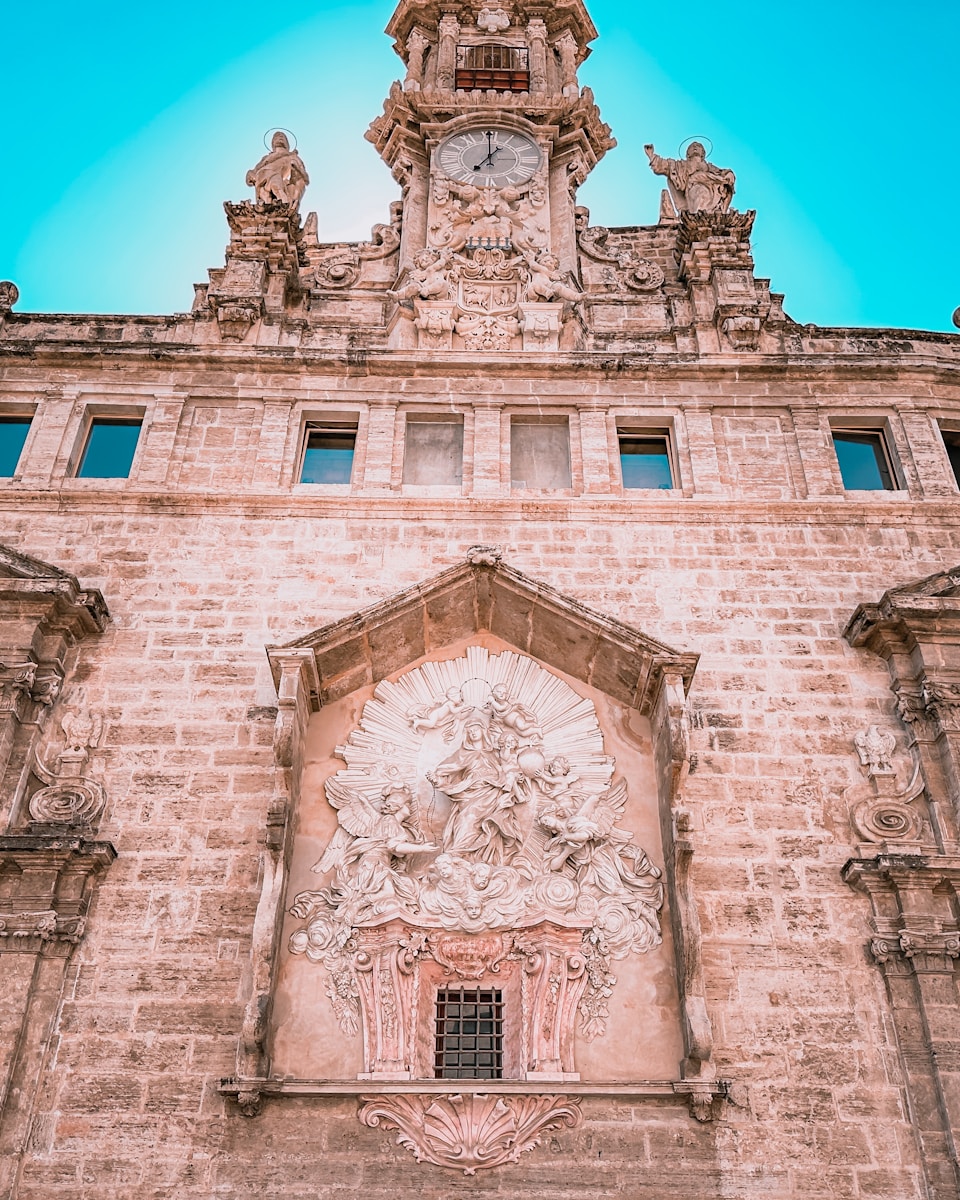
  • Spanish Colonial Revival: This style, popular in the early 20th century, drew heavily from Spanish Baroque and Moorish influences. Think thick stucco walls, low-pitched red tile roofs, arched doorways and windows, and decorative ironwork. Cities like Santa Fe, New Mexico, and San Antonio, Texas, are living museums of this beautiful architecture. It evokes a sense of history and warmth, a connection to the past that feels both grand and inviting.
  • Mission Style: Inspired by the Spanish missions established throughout California and the Southwest, this style is characterized by simpler, more austere lines, bell towers, and often, a focus on natural materials. The iconic California missions themselves are prime examples, but their influence can be seen in countless homes, public buildings, and even commercial developments.

These architectural styles aren’t just historical relics; they continue to inspire modern design, demonstrating a timeless appeal and a deep connection to the land and its history. They are a constant, tangible reminder of the early Spanish presence and its lasting impact.

Modern Urban Spaces and Community Hubs

Beyond historical styles, Hispanic communities have also influenced urban design through the creation of vibrant public spaces and community hubs.

  • Plazas and Courtyards: The concept of a central plaza as a gathering place, a social heart of a town or city, is a direct inheritance from Spanish urban planning. These spaces, often surrounded by shops, restaurants, and churches, foster community interaction and celebration. Think of the bustling plazas in cities like San Antonio or the historic squares in St. Augustine.
  • Community Centers: In many urban areas, Hispanic community centers serve as vital hubs for cultural events, educational programs, and social services. These spaces are often designed to be welcoming and functional, reflecting the strong emphasis on familismo and community ties.
  • Public Art: As mentioned in our discussion on art, murals often adorn public spaces in Hispanic neighborhoods, transforming ordinary walls into vibrant expressions of culture, history, and identity, contributing to the unique aesthetic of these urban areas.

These architectural and urban design contributions underscore how Hispanic culture has not only built structures but has also shaped the very way we interact with our built environment, fostering community and celebrating shared heritage.

Expert Tip: Next time you’re traveling through the Southwest or Florida, take a moment to appreciate the architecture. Look for those distinctive red tiles, stucco walls, and arched windows. You’ll start seeing the Hispanic influence everywhere! For a deeper dive, consider visiting a historical mission or a Spanish colonial district.

Explore Architectural Influence:

6. Economic Engines: Entrepreneurship and Workforce Power 💰

Video: Top 10 Influential Hispanic Americans Who Made History.

If you want to talk about impact, let’s talk about the economy. Hispanic communities are not just consumers; they are powerful economic engines, driving growth, creating jobs, and innovating across every sector of the American economy. At Hispanic Month™, we see firsthand the incredible entrepreneurial spirit and dedicated workforce that are vital to the nation’s prosperity.

Small Businesses, Big Impact

Hispanic entrepreneurs are a force to be reckoned with. They are starting businesses at a rate significantly higher than the national average, fueling local economies and creating opportunities.

  • Rapid Growth: According to the Stanford Latino Entrepreneurship Initiative, Latino-owned businesses contribute hundreds of billions of dollars to the U.S. economy annually and are growing at an impressive pace. This isn’t just about corner stores; it’s about tech startups, manufacturing firms, service industries, and everything in between.
  • Job Creation: These businesses are significant job creators, providing employment for millions of Americans. They often serve as vital community anchors, offering goods and services tailored to diverse needs.
  • Resilience and Innovation: Hispanic entrepreneurs often overcome significant barriers, demonstrating incredible resilience and ingenuity. They bring fresh perspectives and innovative solutions to the marketplace, enriching the competitive landscape.

We’ve seen countless stories of individuals, like Maria, who started a small panaderĂ­a (bakery) with her family’s recipes, growing it into a beloved local institution that now employs dozens. These are the “hidden stars” whose contributions, as UnidosUS emphasizes, have often been overlooked but are undeniably impactful.

Driving Industries: From Agriculture to Tech

Beyond entrepreneurship, Hispanic workers are the backbone of many critical American industries.

  • Agriculture: From the fields of California to the farms of Florida, Hispanic farmworkers are essential to putting food on our tables. Their labor is fundamental to the nation’s food supply, a contribution that often goes unacknowledged. The fight for farmworkers’ rights, led by figures like Cesar Chavez (highlighted by UnidosUS and the Smithsonian Latino Center), is a testament to the importance of this workforce.
  • Construction: Hispanic workers are a major component of the construction industry, building homes, infrastructure, and commercial spaces across the country. Their skills and dedication are literally building America.
  • Service Industry: From hospitality to retail, Hispanic workers are integral to the service sector, providing essential services and contributing to the daily functioning of our economy.
  • Emerging Sectors: Increasingly, Hispanic professionals are making significant strides in STEM fields, technology, and healthcare, bringing diverse perspectives and talent to cutting-edge industries.

The economic impact of Hispanic communities is multifaceted and profound. It’s about more than just numbers; it’s about the hard work, dedication, and entrepreneurial spirit that drives prosperity for all.

Expert Tip: Support Hispanic-owned businesses in your community! Look for local directories or use online search tools to find and patronize these vital economic contributors. Many local chambers of commerce also have specific initiatives to promote minority-owned businesses.

Support Hispanic Businesses:

7. Political Power and Civic Engagement: A Growing Voice 🗳️

Video: Hispanic American Contributions to the American Culture.

The political landscape of the United States is undeniably shifting, and Hispanic communities are at the forefront of this transformation. With a rapidly growing population and increasing civic engagement, the Hispanic voice is becoming louder, more influential, and absolutely critical in shaping national policies and leadership. Here at Hispanic Month™, we’re constantly inspired by the dedication to civic participation.

Voting Blocs and Policy Influence

The numbers don’t lie: the Latino electorate is a demographic powerhouse.

  • Growing Electorate: As the Smithsonian Latino Center points out, in 2020, nearly 30 million eligible Latino voters existed, with over half (16.5 million) casting their ballots. This trend is only accelerating, making the Latino vote increasingly influential in elections at all levels.
  • Shaping National Policies: This growing voting bloc means that politicians and policymakers are paying closer attention to issues that matter to Hispanic communities, from immigration reform and education to healthcare and economic opportunity. The collective voice of Hispanic voters can sway elections and drive policy changes.
  • Advocacy Organizations: Groups like UnidosUS (formerly the National Council of La Raza), the largest Latino advocacy group, and the League of United Latin American Citizens (LULAC), founded in 1929 to promote Latino equality, have been instrumental in advocating for civil rights and policy changes. Their work has been crucial in addressing systemic barriers and ensuring that Latino concerns are heard.

Representation in Government

Beyond voting, Hispanic individuals are increasingly taking on leadership roles in government, bringing diverse perspectives and experiences to the decision-making table.

  • Supreme Court Justice Sonia Sotomayor: A true trailblazer, Justice Sotomayor, mentioned by both Quinnipiac University and the Smithsonian Latino Center, is the first Latina Supreme Court Justice. Her journey from the Bronx to the highest court in the land is a powerful testament to the American Dream and the importance of diverse representation.
  • U.S. Secretary of Education Miguel Cardona: As highlighted by Quinnipiac University, Secretary Cardona, with his Puerto Rican heritage, advocates for educational equity and bilingual education, ensuring that the needs of all students are addressed at a national level.
  • Elected Officials: From local city councils to state legislatures and the U.S. Congress, the number of Hispanic elected officials is steadily rising. These leaders serve as vital representatives for their communities, ensuring that Hispanic perspectives are integrated into governance.

The journey towards full political representation has not been without its challenges, marked by ongoing fights against discrimination and inequality, as the Smithsonian Latino Center notes. However, the progress is undeniable, and the growing political power of Hispanic communities is a clear indicator of their profound and lasting impact on American society.

Expert Tip: Get involved! Your voice matters. Register to vote, educate yourself on local and national issues, and support organizations that advocate for civic engagement within Hispanic communities. Every vote, every voice, contributes to a stronger democracy.

Engage in Civic Action:

8. Sports Heroes and Cultural Icons: Beyond the Field 🏆

Video: HISPANICS BECOME AN AMERICAN MINORITY (Accessible Preview).

From the crack of a bat to the roar of a stadium, Hispanic athletes have not only dominated the world of sports but have also become powerful cultural icons, inspiring millions and breaking down barriers. At Hispanic Month™, we love celebrating these heroes who show us what dedication, talent, and passion can achieve.

Baseball, Soccer, and Olympic Dreams

Hispanic athletes have left an indelible mark on some of America’s most beloved sports.

  • Baseball Legends: Is there any sport more intertwined with Hispanic culture than baseball? The Dominican Republic, Puerto Rico, and Cuba have produced an incredible roster of talent. Roberto Clemente, the legendary Puerto Rican outfielder for the Pittsburgh Pirates, is more than just a Hall of Famer; he’s a humanitarian and a symbol of pride and excellence, as recognized by both Quinnipiac University and the Smithsonian Latino Center. His tragic death while delivering aid to earthquake victims solidified his legacy far beyond the baseball diamond. Other greats like Mariano Rivera and Albert Pujols continue this rich tradition.
  • Soccer Stars: As soccer’s popularity continues to surge in the U.S., Hispanic players have been central to its growth. From the early days of Marcelo Balboa (mentioned by the Smithsonian Latino Center) representing the U.S. on the world stage to today’s stars in Major League Soccer (MLS), their skill and passion have captivated fans.
  • Olympic Achievements: Hispanic athletes have also shone brightly on the Olympic stage. Swimmer Dara Torres, with her 12 Olympic medals (as highlighted by the Smithsonian Latino Center), is a testament to perseverance and athletic prowess, inspiring athletes of all backgrounds.

These athletes don’t just win games; they represent their heritage with pride, becoming role models for aspiring young people across the nation.

Role Models and Inspiration

The impact of Hispanic sports heroes extends far beyond their athletic achievements. They become cultural ambassadors, breaking stereotypes and fostering a sense of belonging.

  • Breaking Barriers: Many Hispanic athletes have overcome significant challenges, including language barriers and discrimination, to reach the pinnacle of their sports. Their journeys are powerful narratives of resilience and determination.
  • Community Engagement: Many use their platforms to give back to their communities, establishing foundations, mentoring youth, and advocating for social causes. Roberto Clemente’s humanitarian efforts are a prime example of this commitment.
  • Inspiring Youth: For young Hispanic children, seeing someone who looks like them, speaks their language, and shares their heritage succeed at the highest level is incredibly empowering. It shows them that their dreams are attainable, whether on the field, in the classroom, or in any pursuit.

These sports heroes embody the spirit of excellence and the profound impact that Hispanic individuals have on the broader American cultural fabric. They remind us that talent and heart know no borders.

Expert Tip: Watch a documentary about Roberto Clemente or other Hispanic sports legends. Their stories are not just about sports; they’re about courage, character, and making a difference in the world.

Learn About Hispanic Sports Heroes:

9. Family, Community, and Values: The Heartbeat of Culture ❤️

Video: Hispanic American Culture.

Beyond the tangible contributions of food, music, and art, there’s a deeper, more profound impact that Hispanic culture has on American society: its emphasis on family, community, and deeply held values. This is the heartbeat, the corazĂłn, that truly defines the Hispanic experience and enriches the American way of life. For us at Hispanic Month™, these are the threads that bind us most strongly.

Familismo and Intergenerational Ties

At the core of Hispanic culture is familismo—a strong emphasis on family loyalty, solidarity, and the well-being of the extended family. This isn’t just about immediate relatives; it often includes grandparents, aunts, uncles, cousins, and even close family friends.

  • Intergenerational Support: This value translates into strong intergenerational ties, where elders are revered, and younger generations are expected to care for and respect their parents and grandparents. This creates a powerful support system that benefits everyone.
  • Collective Identity: Individual identity is often intertwined with family identity. Decisions are often made with the family’s collective good in mind, fostering a sense of unity and shared purpose.
  • Cultural Preservation: Family gatherings are often where cultural traditions, language, and stories are passed down from one generation to the next, ensuring that heritage remains vibrant and alive.

This strong family orientation offers a powerful counter-narrative to the often individualistic focus of broader American society, reminding us of the strength and comfort found in collective bonds.

Fiestas, Celebrations, and Traditions

Hispanic culture is rich with vibrant celebrations that bring communities together, often blending religious significance with lively festivities. These traditions have increasingly become part of the broader American cultural calendar.

  • DĂ­a de los Muertos (Day of the Dead): This beautiful Mexican tradition, mentioned by the Smithsonian Latino Center, honors deceased loved ones with colorful altars (ofrendas), marigolds, sugar skulls, and festive gatherings. Once primarily celebrated within Mexican-American communities, it has gained widespread recognition and appreciation across the U.S., with many cities hosting public events and parades. It’s a poignant reminder of the importance of remembrance and celebrating life.
  • Quinceañeras: This coming-of-age celebration for 15-year-old girls is a significant milestone in many Latin American cultures, marking a transition from childhood to young womanhood. These elaborate parties, often involving a church service and a grand reception, are a testament to family values and community celebration.
  • Posadas and Nochebuena: During the Christmas season, traditions like Las Posadas (reenacting Mary and Joseph’s search for lodging) and Nochebuena (Christmas Eve celebration) bring families together for food, music, and fellowship.

These celebrations are not just parties; they are expressions of identity, faith, and community. They offer opportunities for cultural sharing and understanding, enriching the social fabric of America.

This deep connection to family and community is something we heard echoed in the “first YouTube video” (#featured-video) we’ve shared. Speakers in the video consistently express deep pride in their cultural heritage, celebrating its history, values, food, music, and traditions. One individual beautifully states, “Being Latina means that there is a story to my heritage.” This sentiment perfectly captures how family and community are the living vessels of these stories, passed down through generations, shaping who we are and how we connect with the world. The video highlights how individuals discuss the blending of different cultural influences, such as Afro-Latina identity, and the importance of preserving these diverse roots—a direct reflection of the strength of familismo and community bonds.

Expert Tip: Seek out local Hispanic cultural centers or community organizations. They often host events, workshops, and celebrations that offer a wonderful opportunity to experience these rich traditions firsthand and connect with the community.

Explore Cultural Traditions:

10. Fashion and Style: A Vibrant Aesthetic 👗

Video: What is Hispanic Heritage Month Latinos and Latino culture can be.

Fashion is more than just clothing; it’s a powerful form of self-expression, a reflection of history, and a canvas for cultural identity. Hispanic fashion and style have brought a vibrant aesthetic to the American wardrobe, influencing everything from everyday wear to high-end runways. Here at Hispanic Month™, we appreciate how these styles tell stories and add a splash of color to the world.

Hispanic fashion encompasses a vast spectrum, from traditional garments steeped in history to contemporary designs that blend heritage with modern flair.

  • Guayaberas: This iconic men’s shirt, often made of linen or cotton with four pockets and vertical pleats, is a staple in many Latin American countries. It’s a symbol of relaxed elegance and comfort, perfect for warm climates. Increasingly, you’ll see guayaberas worn at casual events and even weddings across the U.S., a testament to their timeless appeal.
  • Embroidered Textiles: Traditional garments from various regions, often featuring intricate embroidery, vibrant colors, and unique patterns, are celebrated for their craftsmanship and cultural significance. Think of the beautiful huipiles from Mexico or the colorful woven textiles from the Andes. These designs inspire modern fashion, appearing in prints, accessories, and home decor.
  • Cowboy Culture: The American cowboy aesthetic owes much to the Mexican vaquero tradition. From the wide-brimmed hats and sturdy boots to the intricate leatherwork, many elements of Western wear have direct roots in Hispanic equestrian culture.

These traditional styles are not just museum pieces; they are living, evolving forms of expression that continue to influence contemporary fashion.

Influencing Global Runways

Hispanic designers have made an undeniable impact on the global fashion stage, bringing their unique perspectives, craftsmanship, and cultural inspirations to the forefront.

  • Carolina Herrera: The legendary Venezuelan-American designer, mentioned by the Smithsonian Latino Center, is synonymous with elegance, sophistication, and timeless glamour. Her designs have graced red carpets and presidential inaugurations, establishing her as a global icon in haute couture.
  • Oscar de la Renta: The late Dominican-American designer was celebrated for his exquisite evening wear and feminine silhouettes, dressing Hollywood stars and royalty alike. His legacy continues to inspire designers worldwide.
  • Emerging Designers: A new generation of Hispanic designers is making waves, blending traditional motifs with contemporary trends, sustainability, and social consciousness. They are bringing fresh voices and diverse aesthetics to the fashion industry, challenging norms and celebrating their heritage.

The influence of Hispanic fashion is about more than just aesthetics; it’s about celebrating identity, craftsmanship, and the rich cultural narratives woven into every stitch. It’s about showing the world that heritage can be both beautiful and incredibly stylish.

Expert Tip: Look for clothing and accessories from small, independent designers who draw inspiration from their Hispanic heritage. You’ll find unique, handcrafted pieces that tell a story and support artisans. Many can be found on platforms like Etsy!

👉 Shop Hispanic-Inspired Fashion:

11. Education and Innovation: Nurturing Future Leaders 🎓

Video: America’s Diversity Gives Us Strength: Celebrating Hispanic Heritage Month | More in Common.

The future of any nation lies in the minds of its youth and the ingenuity of its innovators. Hispanic communities are making profound contributions to education and innovation in the U.S., nurturing future leaders and pushing the boundaries of science and technology. At Hispanic Month™, we are incredibly proud of the intellectual capital and groundbreaking achievements emerging from these vibrant communities.

Higher Education and STEM Fields

Hispanic students are enrolling in higher education at increasing rates, and Hispanic professionals are making significant strides in critical fields.

  • Educational Attainment: The number of Hispanic students pursuing college degrees is steadily rising, leading to a more educated and skilled workforce. Universities across the country are recognizing the importance of supporting these students and fostering inclusive learning environments.
  • STEM Trailblazers: Hispanic individuals are increasingly contributing to Science, Technology, Engineering, and Mathematics (STEM) fields. Ellen Ochoa, the first Latina in space in 1993 (highlighted by UnidosUS and the Smithsonian Latino Center), is a shining example. Her career as an astronaut and later as the director of the Johnson Space Center inspires countless young people to pursue careers in science and exploration.
  • Advocacy for Equity: Leaders like U.S. Secretary of Education Miguel Cardona (from Quinnipiac University’s summary) are actively advocating for educational equity, bilingual education, and support systems that ensure all students, including English language learners, have the resources they need to succeed. This focus on inclusive education is vital for unlocking the full potential of every student.

These efforts are not just about individual success; they are about strengthening the nation’s intellectual capital and ensuring a diverse pool of talent for future challenges.

Contributions to Science and Technology

Hispanic innovators are at the forefront of scientific discovery and technological advancement, making contributions that benefit society as a whole.

  • Medical Research: Hispanic scientists and doctors are involved in groundbreaking medical research, developing new treatments and improving public health outcomes. Their diverse perspectives often lead to innovative approaches to complex health challenges.
  • Technological Innovation: From software development to engineering, Hispanic professionals are contributing to the tech industry, driving innovation and shaping the digital landscape. Their entrepreneurial spirit, as discussed earlier, also fuels tech startups and new ventures.
  • Environmental Science: Hispanic scientists are also playing a crucial role in environmental research and conservation efforts, particularly in areas affected by climate change and natural resource management.

The impact of Hispanic individuals in education and innovation is a testament to their intellect, perseverance, and dedication to progress. They are not just participating in these fields; they are leading them, shaping the future of America.

Expert Tip: Encourage young people in your life to explore STEM fields! Look for programs and scholarships specifically designed to support Hispanic students in science and technology. Organizations like the Society of Hispanic Professional Engineers (SHPE) offer invaluable resources and mentorship.

Support Hispanic Education & STEM:

The Ever-Evolving American Identity: A Hispanic Perspective

Video: Hispanics Don’t Have To ‘Work Harder At Assimilation’.

So, after this whirlwind tour of Hispanic impact, what’s the takeaway? It’s clear, isn’t it? American identity isn’t static; it’s a dynamic, living entity, constantly being shaped and reshaped by the vibrant cultures that call this nation home. And Hispanic culture? It’s not just a thread in the tapestry; it’s a major part of the loom itself, weaving new patterns and adding rich, bold colors.

From the sabor of our kitchens to the ritmo of our music, from the Spanish words we unconsciously use to the architectural styles that define our cities, Hispanic influence is everywhere. It’s in the art that challenges us, the literature that moves us, the businesses that drive our economy, and the political voices that advocate for a more just society. It’s in the sports heroes who inspire us and, most profoundly, in the deep-seated values of family and community that strengthen us all.

Quinnipiac University wisely states, “Diversity is one of America’s greatest strengths,” and we couldn’t agree more. The Hispanic perspective isn’t a singular viewpoint; it’s a mosaic of experiences, languages, and traditions from dozens of countries, all contributing to a uniquely American narrative. It’s about cultural fusion, where traditions blend, evolve, and create something new and exciting. It’s about recognizing that the story of America is incomplete without the full, vibrant inclusion of its Hispanic chapters.

But this evolution isn’t just about what has been; it’s about what is to come. The demographic shifts we’re witnessing mean that the Hispanic influence will only continue to grow, further enriching and redefining what it means to be American. Are you ready for the next chapter?

Deep Dive: Understanding Demographic Shifts and Cultural Fusion

Video: How LATINO CULTURE influenced AMERICA | Google Arts & Culture.

Let’s get down to brass tacks: the demographic landscape of the United States is undergoing a monumental transformation, and Hispanic communities are at the very heart of this change. This isn’t just a trend; it’s a fundamental reshaping of American society, leading to an unprecedented era of cultural fusion. Understanding these shifts is key to grasping the future of American identity.

The Numbers Tell a Powerful Story:

  • A Growing Majority: As the Smithsonian Latino Center highlights, the Latino population is nearly 19% of the U.S. today. But here’s the kicker: by 2045, it’s projected to be over half of the U.S. population, with nearly 25% being Latino. Think about that for a moment. This isn’t just growth; it’s a demographic revolution.
  • Youthful and Dynamic: Hispanic communities are, on average, younger than the general U.S. population. This means a larger proportion of young people entering the workforce, starting families, and shaping future trends in education, politics, and culture.
  • Geographic Spread: While traditionally concentrated in the Southwest and major urban centers, Hispanic populations are growing rapidly in new areas across the country, bringing their cultural richness to every corner of the nation.

What Does This Mean for Cultural Fusion?

These demographic shifts are not happening in a vacuum. They are the engine driving an incredible process of cultural fusion, where different traditions, languages, and values intermingle, creating new expressions of American culture.

  • Bilingualism as the Norm: With more Spanish speakers, bilingualism is becoming increasingly common, not just in homes but in public spaces, businesses, and media. This creates a richer linguistic environment and fosters greater cross-cultural communication.
  • Culinary Innovation: The fusion cuisine trend is exploding! Chefs are blending traditional Hispanic ingredients and techniques with other global flavors, creating exciting new dishes that reflect America’s diverse palate. Think Korean BBQ tacos or Peruvian-Japanese Nikkei cuisine.
  • Evolving Traditions: As Hispanic traditions like DĂ­a de los Muertos gain wider recognition, they often evolve, incorporating elements from other cultures while retaining their core meaning. This isn’t about losing identity; it’s about expanding it.
  • Media Representation: The increasing Hispanic population demands more authentic and diverse representation in media. This leads to more nuanced storytelling, richer characters, and a broader range of voices in film, television, and literature, reflecting the true complexity of American life.

This cultural fusion isn’t always seamless; it involves negotiation, adaptation, and sometimes, challenges. But ultimately, it leads to a more vibrant, resilient, and interesting society. It’s a testament to the idea that America’s strength truly lies in its ability to embrace and integrate diverse cultures. The future of America will be undeniably, beautifully, and powerfully Hispanic.

Beyond the Headlines: Personal Stories of Impact

Video: Mexico’s Obsession With White People.

We’ve talked about statistics, historical figures, and broad cultural movements. But sometimes, the most profound impact is felt in the everyday, in the personal stories that rarely make the headlines. Here at Hispanic Month™, we believe these individual narratives are the true heart of Hispanic influence on American culture. They are the living proof of resilience, aspiration, and the enduring human spirit.

I remember my tĂ­a Elena, who arrived in the U.S. with almost nothing but a fierce determination and a recipe for the most incredible empanadas. She started selling them from a small cart, then a tiny shop, and eventually, her Empanada Palace became a beloved institution in our neighborhood. It wasn’t just about the food; it was about her warmth, her unwavering spirit, and how she created a community hub where everyone felt welcome. Her story, like so many others, is a testament to the entrepreneurial drive and community building that Hispanic immigrants bring.

Or consider my friend, Carlos, a first-generation college graduate whose parents worked tirelessly in construction to send him to engineering school. He now works for a major tech company, designing sustainable urban solutions. He often tells me, “My success isn’t just mine; it’s my parents’ success, my abuelos’ success. It’s the American Dream, but it’s also the Hispanic Dream.” His journey, echoing the sentiments from the “first YouTube video” (#featured-video) about overcoming challenges and achieving educational milestones, highlights the profound intergenerational impact and the pursuit of opportunity.

We’ve heard countless stories like these:

  • A young Afro-Latina artist, who, like the individual in the video, proudly embraces her multifaceted identity, blending Black American, Caribbean, and African influences into her vibrant paintings, challenging traditional notions of what “Latina art” looks like. She told us, “I think it’s an amazing thing that I can say that I have all these influences that make up who I am and yet I can still be proud of being a Black Latina and like no one can take that away from me.” This powerful statement truly encapsulates the beauty of cultural fusion and self-definition.
  • A family who, after fleeing violence in their home country, found solace and a new beginning in a small American town, quickly becoming active members of their church and local school board, enriching the civic life of their new home.
  • A high school teacher who, inspired by her own bilingual upbringing, started a dual-language program, helping both Hispanic and non-Hispanic students connect through language and culture, fostering a deeper understanding in her community.

These are the “hidden stars” that UnidosUS speaks of, whose impactful contributions are woven into the fabric of American life. They are the everyday heroes, the unsung innovators, the quiet community builders. Their stories are not just anecdotes; they are the very essence of how Hispanic culture has profoundly, beautifully, and permanently impacted American society. They remind us that behind every statistic and every headline, there are real people, real families, and real dreams shaping the nation, one heartfelt contribution at a time.

Conclusion: Celebrating the Enduring Legacy

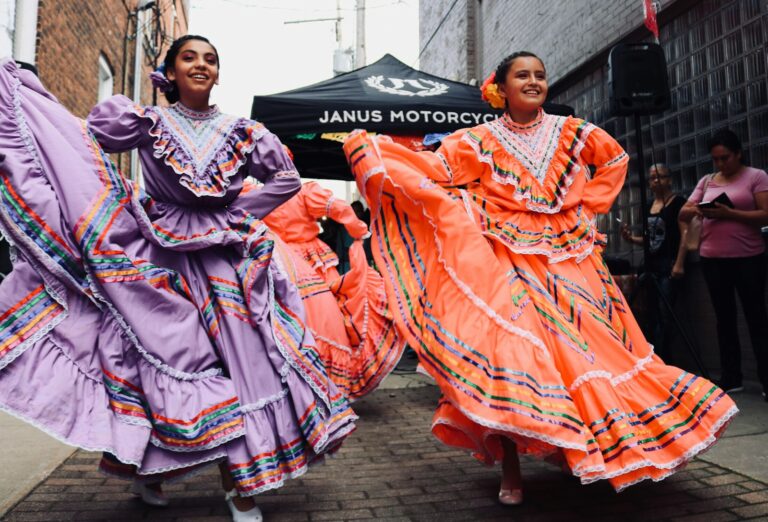
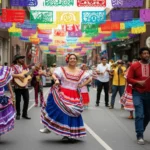
People in traditional folk costumes dancing in a circle.

Wow, what a journey! From the tantalizing flavors of Hispanic cuisine to the pulsating rhythms of salsa and reggaeton, from the eloquent voices of literary giants to the vibrant murals that color our cities, the impact of Hispanic culture on American life is nothing short of monumental. As we’ve explored, this influence is woven into every facet of society—food, language, art, politics, economy, and beyond.

Remember the question we teased earlier: What does it truly mean that Hispanic culture is a major part of the American tapestry? Now you know—it means that America’s identity is enriched, diversified, and continuously evolving thanks to the vibrant contributions of Hispanic communities. It’s a story of resilience, creativity, and unity that continues to unfold every day.

The positives are clear: Hispanic culture brings rich traditions, economic vitality, political power, and artistic innovation that shape and uplift American society. Challenges remain, including overcoming systemic barriers and ensuring representation, but the trajectory is inspiring and hopeful.

So, whether you’re savoring a homemade tamale, dancing to a Latin beat, or reading a novel by a Hispanic author, you’re participating in a cultural legacy that is as dynamic as it is enduring. At Hispanic Month™, we encourage you to celebrate, learn, and share these stories—not just during September and October, but all year round.

Ready to dive deeper? Check out the recommended links below and keep the celebration going!


Here are some top picks to continue your journey into Hispanic culture, history, and contributions:


FAQ: Your Burning Questions Answered About Hispanic Impact

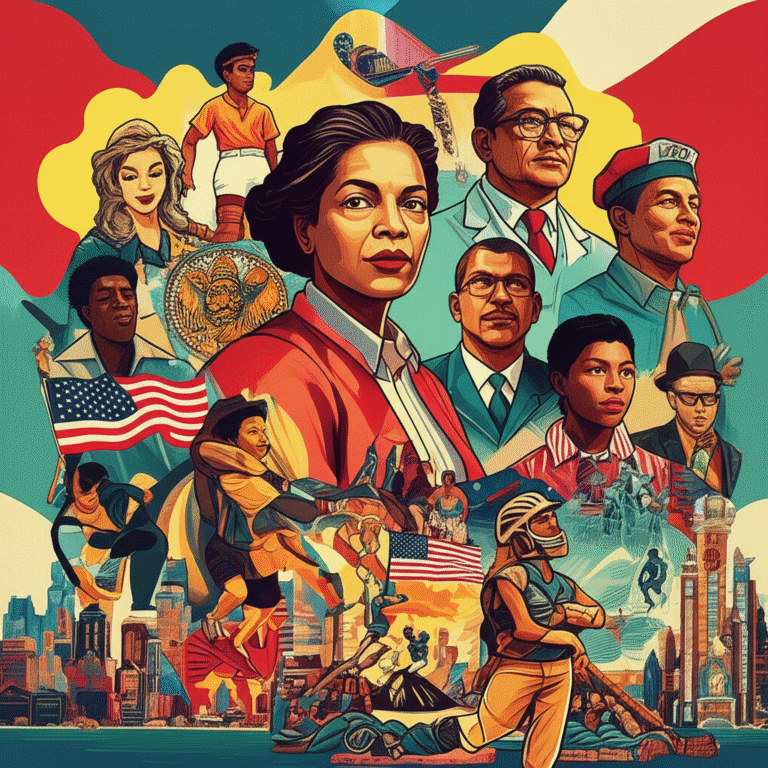
A group of people standing on top of a stage

What are some key historical events that highlight Hispanic influence in the United States?

Hispanic influence dates back centuries, with pivotal events such as the Spanish colonization in the late 1400s, which established some of the oldest U.S. cities like St. Augustine, Florida. The Mexican-American War (1846-1848) resulted in the U.S. acquiring vast territories with significant Hispanic populations, shaping the Southwest’s culture. The Spanish-American War (1898) expanded U.S. influence to Puerto Rico and other territories. These events laid the foundation for Hispanic cultural, political, and social contributions that continue today.

How has Hispanic literature impacted American storytelling and education?

Hispanic literature has enriched American storytelling by introducing diverse narratives that explore identity, immigration, family, and resilience. Authors like Sandra Cisneros (The House on Mango Street) and Meg Medina bring unique voices that resonate with both Hispanic and broader audiences. Their works are widely taught in schools, fostering cultural awareness and empathy. Hispanic literature challenges monolithic narratives and broadens the American literary canon.

What role have Hispanic musicians played in the development of American music genres?

Hispanic musicians have been instrumental in popularizing genres like salsa, merengue, reggaeton, and Latin pop. Icons like Celia Cruz elevated salsa to international fame, while artists like Bad Bunny have brought reggaeton to global audiences. Hispanic rhythms have influenced mainstream American music, blending with hip-hop, pop, and electronic styles, creating hybrid genres that dominate charts and dance floors.

How do Hispanic communities celebrate National Hispanic Heritage Month?

Celebrations include cultural festivals, educational programs, art exhibitions, music and dance performances, and culinary events. Communities come together to honor shared heritage, history, and achievements. Schools and organizations host lectures and workshops to deepen understanding. Quinnipiac University’s events, for example, feature traditional cuisine and community engagement, reflecting the month’s spirit of unity and pride.

In what ways has Hispanic cuisine shaped American food culture?

Hispanic cuisine has introduced beloved dishes like tacos, tamales, arepas, and Tex-Mex classics, which have become staples across the U.S. Ingredients like avocados, cilantro, and chiles are now common in American kitchens. Brands like Goya Foods and Mission Foods have made these flavors accessible nationwide. Hispanic culinary traditions emphasize communal meals and celebrations, enriching American food culture with diversity and flavor.

What contributions have Hispanic artists made to American culture?

Hispanic artists have contributed through visual arts, murals, literature, and media. Figures like Frida Kahlo symbolize resilience and cultural pride, while muralists like Judith Baca use public art to tell community stories. Hispanic writers and filmmakers bring authentic narratives to mainstream media, promoting diversity and challenging stereotypes. Their work fosters cultural dialogue and enriches the American artistic landscape.

How have Hispanic traditions influenced American holidays and celebrations?

Traditions like Día de los Muertos have gained widespread recognition, influencing public celebrations and art. Quinceañeras and Las Posadas are embraced in many communities, adding cultural depth to American festivities. These traditions emphasize family, remembrance, and community, enriching the holiday calendar and promoting multicultural understanding.

How have Hispanic traditions influenced American music and dance?

Hispanic music and dance forms like salsa, merengue, bachata, and reggaeton have become integral to American cultural life. Dance styles are taught in studios nationwide, and Latin rhythms influence pop, hip-hop, and electronic music. These traditions foster cross-cultural connections and celebrate Hispanic heritage through vibrant, communal expression.

What role do Hispanic artists play in shaping American visual arts?

Hispanic artists contribute unique perspectives that blend Indigenous, European, and African influences. Their work often addresses social justice, identity, and history. Public murals, galleries, and museums showcase Hispanic art, making it accessible and influential. Artists like Roberto Lugo push boundaries, ensuring Hispanic voices remain vital in contemporary art.

How do Hispanic contributions enrich American literature and storytelling?

Hispanic authors introduce diverse experiences, languages, and cultural nuances, broadening the scope of American literature. Their stories often explore themes of immigration, identity, and family, fostering empathy and understanding. This enrichment challenges dominant narratives and promotes inclusivity in education and publishing.

What are some key Hispanic holidays celebrated in the United States?

Besides National Hispanic Heritage Month, important celebrations include Día de los Muertos, Cinco de Mayo, Fiestas Patrias (independence days of various Latin American countries), and Quinceañeras. These holidays celebrate history, culture, and community, often involving music, dance, food, and religious observances.

Hispanic fashion blends traditional garments like the guayabera and embroidered textiles with modern styles. Designers like Carolina Herrera and Oscar de la Renta have shaped global fashion, bringing elegance and cultural motifs to runways. Hispanic aesthetics influence streetwear, accessories, and sustainable fashion, celebrating heritage and innovation.

What is the significance of National Hispanic Heritage Month in promoting cultural awareness?

National Hispanic Heritage Month honors the history, culture, and contributions of Hispanic Americans. It promotes education, inclusivity, and unity, fostering appreciation for diversity. The month encourages reflection on shared heritage and inspires ongoing dialogue about identity, representation, and social progress.


Thank you for exploring this rich and inspiring topic with us at Hispanic Month™! 🌟

Hispanic Heritage Team

HispanicMonth.org is led by Editor-in-Chief Jacob and Managing Editor Marti, who was born in Chile and raised in the U.S. Marti later became an educator who has organized Hispanic Heritage events at schools. Together with our team of Hispanic contributing writers, we highlight the people, stories, and traditions that shape Hispanic Heritage Month across America.

Articles: 38

Leave a Reply

Your email address will not be published. Required fields are marked *