Support our educational content for free when you purchase through links on our site. Learn more
12+ Famous Hispanic Figures to Learn About in 2026 🌟

If you’re wondering who are some famous Hispanic figures to learn about during Hispanic Heritage Month, the answer lies in the revolutionary duo of César Chávez and Dolores Huerta, the space-traveling Ellen Ochoa, and the artistic genius of Frida Kahlo. These icons didn’t just make history; they rewrote the rules of what’s possible for Hispanic communities across the globe.
When we ask who are some famous Hispanic figures to learn about during Hispanic Heritage Month, we aren’t just looking for names on a plaque; we are seeking the architects of our modern world. From the fields of California to the Supreme Court, these leaders have shaped labor rights, space exploration, and civil liberties.
Did you know that the first Hispanic woman in space, Ellen Ochoa, holds four patents for optical systems? Her story proves that Hispanic innovation is as vast as the universe itself. 🚀
We’ve curated a list of over a dozen titans who defined their eras, ensuring you have the ultimate guide to the famous Latinos and Latinas who changed everything.
Key Takeaways
- Diverse Impact: The most influential figures span civil rights, science, arts, and politics, proving Hispanic contributions are foundational to American history.
- Unsung Heroes: Beyond the famous names, figures like Sylvia Mendez and Silvia Rivera paved the way for equality long before they were widely recognized.
- Living Legacy: Learning about these icons isn’t just about the past; it inspires the next generation to dream big and fight for justice.
- Essential Reading: Start with The House on Mango Street by Sandra Cisneros or In the Time of the Butterflies by Julia Alvarez to dive deeper into these stories.
Table of Contents
- ⚡️ Quick Tips and Facts
- 📜 Unearthing the Roots: A Brief History of Hispanic Heritage Month
- 🌟 The Titans of History: Pioners Who Shaped Nations
- 1. 🇺🇸 Civil Rights Warriors: From César Chávez to Dolores Huerta
- 2. 🎨 Visionaries of Art and Culture: Frida Kahlo to Diego Rivera
- 3. 🚀 Trailblazers in Science and Space: Ellen Ochoa and Beyond
- 4. ⚽️ Global Icons in Sports: Lionel Messi, Serena Williams, and More
- 5. 🎬 Hollywood’s Hispanic Powerhouses: From Rita Moreno to Lin-Manuel Miranda
- 6. 🎵 Rhythm Makers: Musical Legends Who Conquered the Charts
- 7. 📚 Literary Giants: Authors Who Defined Generations
- 8. 🏛️ Political Leaders and Activists: From Sonia Sotomayor to Gustavo Petro
- 🌍 Beyond the Headlines: Unsung Heroes of the Hispanic Community
- 🧠 Why Knowing These Figures Matters: The Impact of Representation
- 📚 How to Dive Deper: Resources for Learning About Latino History
- 🤔 Frequently Asked Questions About Hispanic Heritage Month Icons
- 🔗 Recommended Links for Further Exploration
- 📖 Reference Links and Sources
- 🏁 Conclusion: Celebrating the Legacy That Lives On
⚡️ Quick Tips and Facts
Before we dive into the incredible stories that shaped our history, let’s hit the rewind button on some common misconceptions. You might think Hispanic Heritage Month is just a month-long party with tacos and mariachis (though we love those too!), but it’s actually a 30-day celebration running from September 15 to October 15. Why these dates? Because five Latin American countries—Costa Rica, El Salvador, Guatemala, Honduras, and Nicaragua—celebrate their independence on September 15, with Mexico and Chile following shortly after. 🇲🇽🇨🇱
Here are a few mind-blowing facts to get your brain gears turning:
- The “Latino” vs. “Hispanic” Debate: While often used interchangeably, they aren’t the same. Hispanic refers to language (Spanish-speaking), while Latino refers to geography (Latin America). So, a person from Brazil is Latino but not Hispanic, and a person from Spain is Hispanic but not Latino. 🌎
- The First Celebration: It started as a week in 1968 under President Lyndon B. Johnson and was expanded to a month by President Ronald Reagan in 198.
- Unsung Heroes: Did you know that Sylvia Mendez paved the way for desegregation in schools a decade before Brown v. Board of Education? Her story is often overshadowed, but her impact was monumental.
- STEM Superstars: Ellen Ochoa isn’t just an astronaut; she holds four patents and served as the first Hispanic director of the NASA Johnson Space Center. 🚀
If you’re wondering how to make these facts stick for your kids or students, check out our guide on Hispanic Month for interactive ideas.
📜 Unearthing the Roots: A Brief History of Hispanic Heritage Month
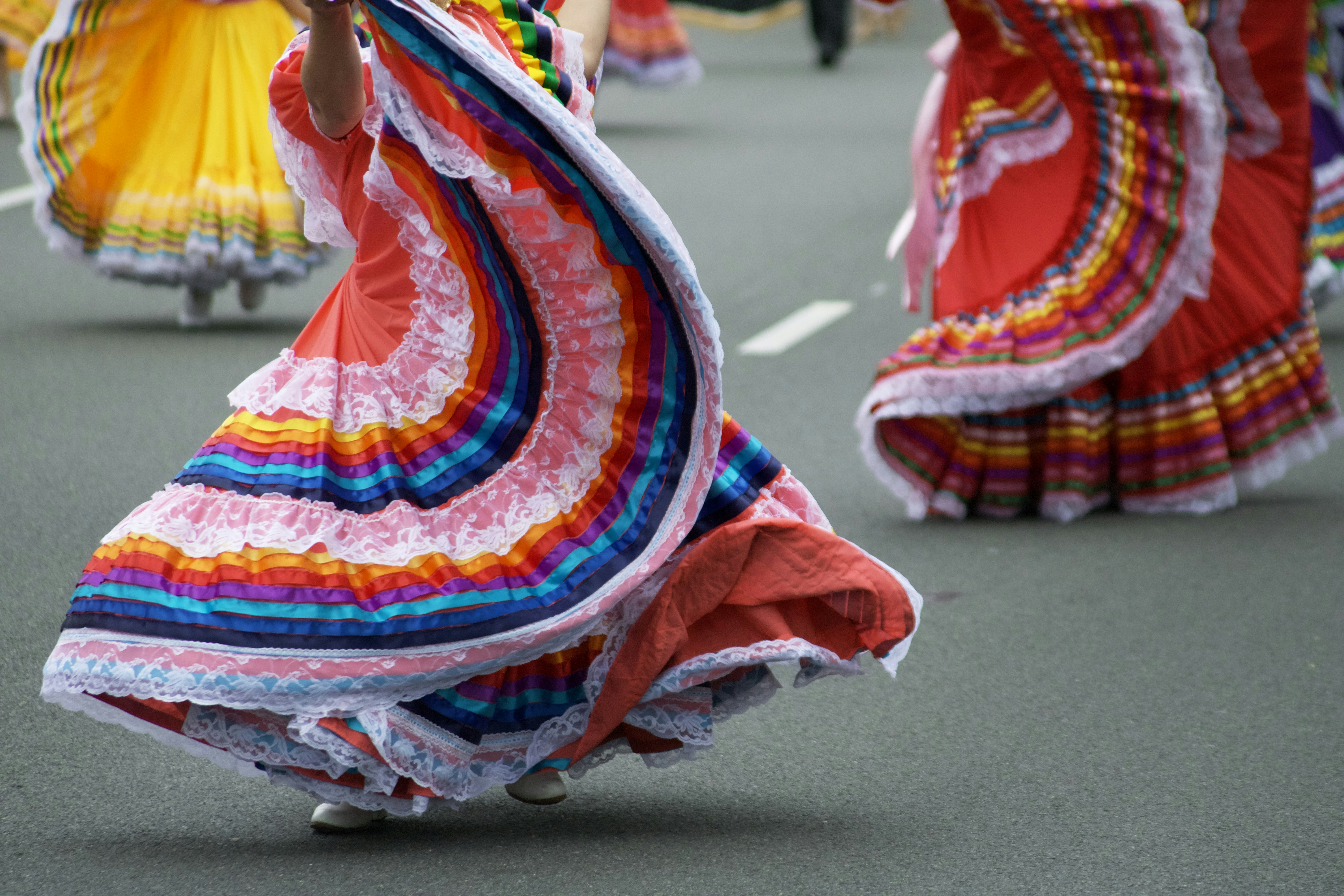
You might be asking, “Why September? Why not just pick a random month?” The answer lies in the pulse of history. The choice of dates wasn’t arbitrary; it was a strategic nod to the independence movements that swept across Latin America in the early 19th century.
When Congress passed the legislation to expand the observance from a week to a month, they wanted to ensure that the celebration captured the rich tapestry of contributions made by people of Hispanic descent in the United States. This isn’t just about looking back; it’s about recognizing how these contributions continue to shape our present and future.
From the labor rights fought for in the fields of California to the legal precedents set in the Supreme Court, the history of Hispanic Heritage Month is a history of resilience and innovation. It’s a time to acknowledge that the American story is incomplete without the chapters written by Hispanic voices.
Did you know? The Smithsonian Institution has a massive collection of artifacts related to this history, though sometimes their digital archives can be a bit tricky to navigate due to security protocols. We recommend checking out their Latino History and Culture page for deep dives, even if you hit a few digital roadblocks along the way!
🌟 The Titans of History: Pioners Who Shaped Nations
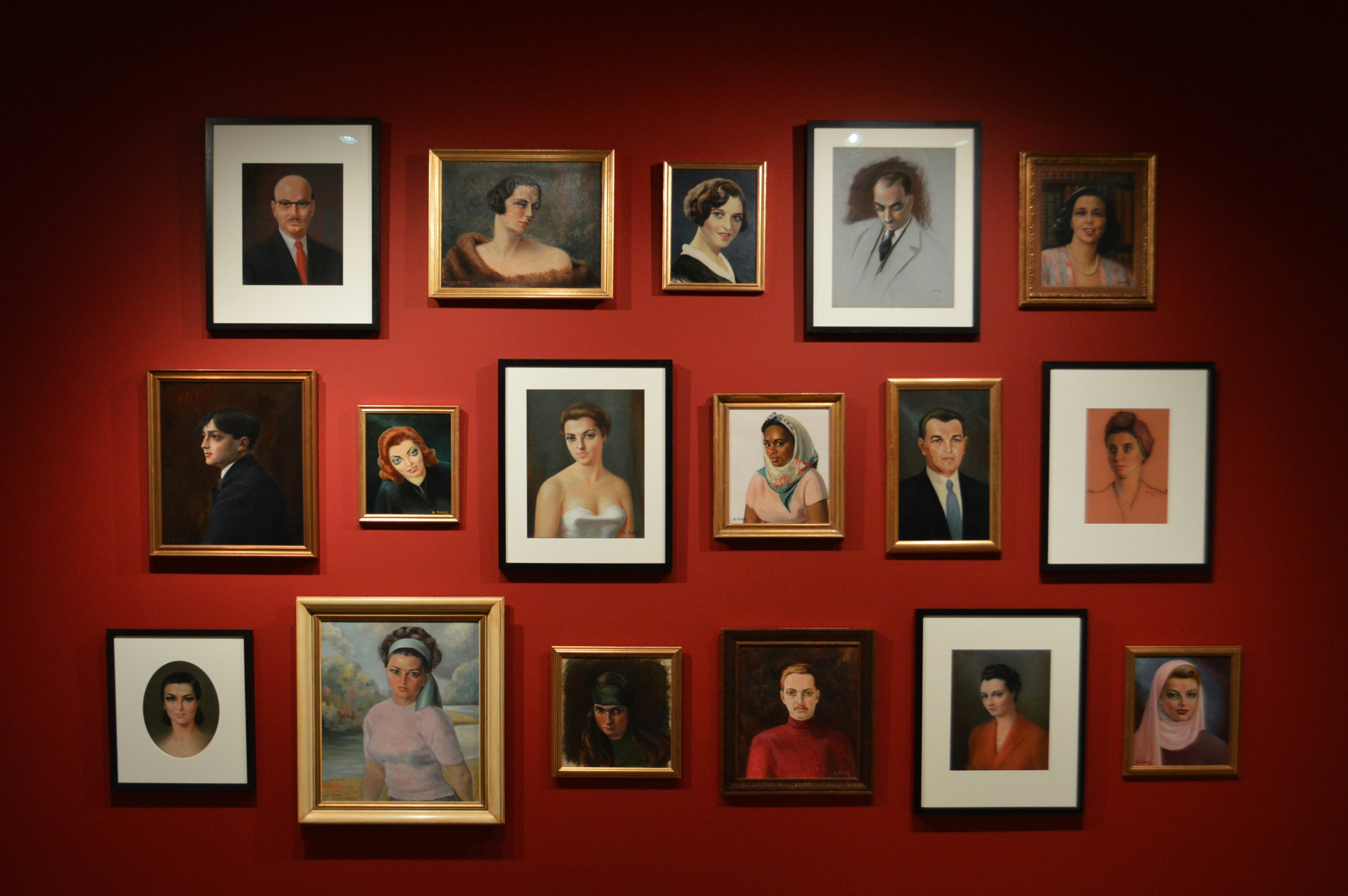
Who are the giants upon whose shoulders we stand? When we talk about famous Hispanic figures, we aren’t just listing names; we are honoring architects of change. These individuals didn’t just exist in their time; they redefined what was possible.
We’ve broken down these titans into categories to help you explore the diverse spectrum of their achievements. Whether you’re a history buff, a science geek, or an art lover, there’s a hero here for you.
1. 🇺🇸 Civil Rights Warriors: From César Chávez to Dolores Huerta
If there’s one duo that defined the struggle for labor justice in the US, it’s César Chávez and Dolores Huerta. Their partnership wasn’t just professional; it was a revolutionary force.
- César Chávez: Known for his non-violent resistance, Chávez led the United Farm Workers (UFW) in a five-year strike that involved over 17 million Americans. His famous slogan, “¡Sí, se puede!” (Yes, we can!), became a rallying cry for movements far beyond the fields.
- Dolores Huerta: Often overshadowed by Chávez, Huerta was the strategic mastermind behind the UFW. She co-founded the organization and fought tirelessly for women’s rights within the labor movement. She was the first Latina to receive the Presidential Medal of Freedom.
Why they matter: They taught us that unity is the most powerful weapon against oppression. Their legacy lives on in every labor union and civil rights organization today.
2. 🎨 Visionaries of Art and Culture: Frida Kahlo to Diego Rivera
Art is the soul of a culture, and no one captured the Hispanic soul quite like Frida Kahlo and Diego Rivera.
- Frida Kahlo: Her self-portraits are not just paintings; they are windows into her pain, passion, and identity. She broke barriers for women in art and became a global icon for feminism and disability rights.
- Diego Rivera: A muralist who painted the history of Mexico on the walls of public buildings, Rivera believed art should be accessible to everyone, not just the elite.
Fun Fact: Kahlo’s work has seen a massive resurgence in popularity, with her image appearing on everything from t-shirts to high-end fashion. You can find her art in museums worldwide, including the Frida Kahlo Museum in Mexico City.
3. 🚀 Trailblazers in Science and Space: Ellen Ochoa and Beyond
Space has no borders, and neither do the dreams of Hispanic scientists. Dr. Ellen Ochoa shattered the glass ceiling (and the atmosphere) as the first Hispanic woman in space.
- Ellen Ochoa: With nearly 1,0 hours in space, she didn’t just visit; she led. As the former director of the Johnson Space Center, she guided NASA through some of its most critical missions.
- Other Notables: Don’t forget Dr. Mario J. Molina, who won the Nobel Prize for his work on the ozone layer, or Dr. Francisca “Patty” Flores, a pioneer in medical research.
Impact: These figures prove that STEM fields are open to everyone, regardless of background. They inspire the next generation of scientists to look up at the stars and see themselves there.
4. ⚽️ Global Icons in Sports: Lionel Messi, Serena Williams, and More
Sports are a universal language, and Hispanic athletes have been speaking fluently for decades.
- Lionel Messi: While Argentine, his influence on the global stage is undeniable. He’s not just a soccer player; he’s a cultural phenomenon.
- Roberto Clemente: A baseball legend who tragically died while delivering aid to earthquake victims in Nicaragua. He was the first Latin American inducted into the Baseball Hall of Fame.
- Serena Williams: Wait, Serena? Yes! While often associated with African American heritage, her mother, Oracene Price, is of Hispanic descent (Puerto Rican), making Serena a figure of multicultural pride.
Why they matter: They show that excellence knows no boundaries. Their stories of perseverance and talent resonate with fans around the world.
5. 🎬 Hollywood’s Hispanic Powerhouses: From Rita Moreno to Lin-Manuel Miranda
The silver screen has been transformed by Hispanic talent. Rita Moreno was the first Latina to win an EGOT (Emy, Grammy, Oscar, Tony), a feat that took decades to achieve.
- Rita Moreno: Her career spans over 70 years, breaking stereotypes and paving the way for future generations.
- Lin-Manuel Miranda: The creator of Hamilton and In the Heights, Miranda brought Latino stories to the forefront of American theater, proving that diversity drives creativity and success.
Cultural Impact: These artists have redefined representation in media, ensuring that Hispanic stories are told with authenticity and depth.
6. 🎵 Rhythm Makers: Musical Legends Who Conquered the Charts
From salsa to regaeton, Hispanic music has dominated the global charts.
- Celia Cruz: The “Queen of Salsa,” whose energy and voice became synonymous with joy and resilience.
- Gloria Estefan: She brought Latin pop to the mainstream, breaking language barriers and proving that music transcends words.
- Bad Bunny: A modern icon who has taken the world by storm, blending genres and challenging norms.
Legacy: These musicians have not only entertained but also preserved and evolved Hispanic culture, making it a central part of the global soundscape.
7. 📚 Literary Giants: Authors Who Defined Generations
Literature is the mirror of society, and Hispanic authors have held up a clear and honest reflection.
- Julia Alvarez: Her novels, like How the Garcia Girls Lost Their Accents, explore themes of identity, displacement, and the immigrant experience.
- Sandra Cisneros: The House on Mango Street is a staple in schools, offering a poignant look at growing up as a Latina in America.
- Jorge Ramos: A journalist who has covered wars and political upheavals, giving a voice to the voiceless.
Why read them? Their works provide insight and empathy, helping us understand the complexities of the Hispanic experience.
8. 🏛️ Political Leaders and Activists: From Sonia Sotomayor to Gustavo Petro
Politics is where policy meets people, and Hispanic leaders have been instrumental in shaping laws and societies.
- Sonia Sotomayor: The first Latina Supreme Court Justice, known for her empathy and intellect. She has authored children’s books to inspire young readers.
- Gustavo Petro: The first leftist president of Colombia, representing a shift in political landscapes across Latin America.
- Alexandria Ocasio-Cortez (AOC): The youngest woman ever elected to Congress, advocating for climate justice and social equity.
Impact: These leaders demonstrate that diversity in leadership leads to better decision-making and more inclusive policies.
🌍 Beyond the Headlines: Unsung Heroes of the Hispanic Community
While the names above are famous, there are countless unsung heroes whose stories are equally important. These are the teachers, nurses, community organizers, and everyday people who make a difference in their neighborhoods.
- Sylvia Mendez: As mentioned earlier, her family’s fight against school segregation in California was a crucial precursor to the Brown v. Board of Education case.
- Silvia Rivera: A transgender activist of Puerto Rican and Venezuelan descent who was a key figure in the Stonewall Riots and founded the Street Transvestite Action Revolutionaries (STAR).
- Ana Mendieta: A Cuban-born artist whose “Earth-body” works explored themes of loss, displacement, and feminism.
Why they matter: Their stories remind us that change often starts small, in the quiet acts of courage and kindness.
🧠 Why Knowing These Figures Matters: The Impact of Representation
You might be wondering, “Why does all this matter?” The answer is simple: representation matters. When young people see people who look like them achieving great things, it expands their vision of what’s possible.
- Inspiration: Seeing a Latina astronaut or a Hispanic Supreme Court Justice inspires kids to dream big.
- Empathy: Learning about the struggles and triumphs of others fosters understanding and compassion.
- Identity: It helps individuals of Hispanic descent feel proud of their heritage and connected to a larger community.
The Bottom Line: Knowing these figures isn’t just about memorizing dates and names; it’s about celebrating a legacy that continues to shape our world.
📚 How to Dive Deper: Resources for Learning About Latino History
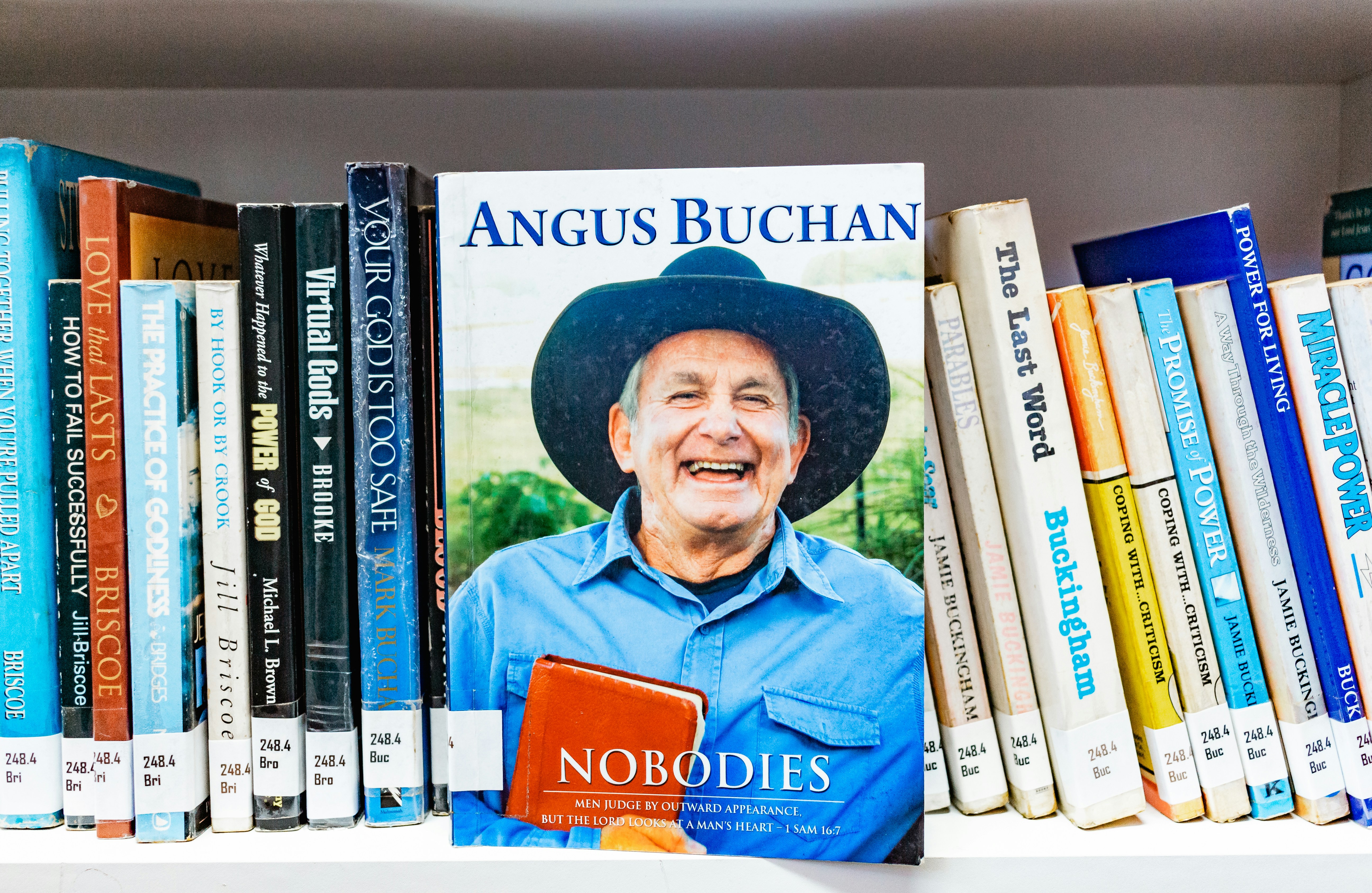
Ready to learn more? Here are some excellent resources to continue your journey:
- Books: Check out The House on Mango Street by Sandra Cisneros or In the Time of the Butterflies by Julia Alvarez.
- Documentaries: The Latino History Project and Latino Americans on PBS offer deep dives into the history.
- Museums: Visit the National Museum of American Latino History (planned) or explore virtual tours of the Smithsonian Latino Center.
- Online: Explore the Hispanic Heritage Month Events section on our site for local celebrations and workshops.
Pro Tip: Don’t just read; engage. Attend local events, join discussion groups, and share these stories with your community.
🤔 Frequently Asked Questions About Hispanic Heritage Month Icons
Which Hispanic figures are essential for kids to learn about?
For younger audiences, César Chávez, Dolores Huerta, and Ellen Ochoa are fantastic starting points. Their stories are relatable and highlight themes of justice, teamwork, and curiosity.
Who are the most celebrated Hispanic scientists and inventors?
Dr. Ellen Ochoa (astronaut), Dr. Mario J. Molina (Nobel Prize in Chemistry), and Dr. Francisca “Patty” Flores (medical researcher) are among the most celebrated.
What are the key contributions of Hispanic women in the US?
Hispanic women have been at the forefront of civil rights, labor movements, and political leadership. Figures like Dolores Huerta, Sonia Sotomayor, and Sylvia Mendez have paved the way for equality.
Who are famous Hispanic artists and musicians to know?
Frida Kahlo, Diego Rivera, Celia Cruz, and Gloria Estefan are iconic figures who have left an indelible mark on the arts.
What are some notable achievements of Hispanic Americans?
From the first Hispanic astronaut to the first Latina Supreme Court Justice, Hispanic Americans have achieved firsts in every field, breaking barriers and setting records.
Who are the most influential Hispanic leaders in history?
César Chávez, Dolores Huerta, Sonia Sotomayor, and Alexandria Ocasio-Cortez are among the most influential leaders.
How can I celebrate Hispanic Heritage Month with my family?
Attend local cultural events, cook traditional meals, read books by Hispanic authors, and discuss the contributions of Hispanic figures. Check our Cultural Traditions page for ideas.
Who are the youngest Hispanic heroes to know about?
Sylvia Mendez (as a child) and Alexandria Ocasio-Cortez (elected at 28) are examples of young Hispanic heroes who made a significant impact.
What are some notable Hispanic women in history?
Frida Kahlo, Dolores Huerta, Sonia Sotomayor, and Celia Cruz are notable Hispanic women who have changed the world.
Who are the most famous Hispanic artists and musicians?
Frida Kahlo, Diego Rivera, Celia Cruz, and Gloria Estefan are among the most famous.
Which Hispanic figures changed American history?
César Chávez, Sylvia Mendez, and Sonia Sotomayor are among those who fundamentally changed American history.
What are the most important contributions of Hispanic Americans?
Contributions span labor rights, civil rights, science, arts, and politics, shaping the fabric of American society.
Who are some influential Hispanic leaders in history?
César Chávez, Dolores Huerta, Sonia Sotomayor, and Alexandria Ocasio-Cortez are influential leaders.
🔗 Recommended Links for Further Exploration
If you’re looking to dive deeper into the world of Hispanic heritage, here are some must-visit resources:
- Smithsonian Latino Center: Latino History and Culture
- National Hispanic Heritage Month: Official Website
- PBS Latino Americans: Documentary Series
- Books by Hispanic Authors:
The House on Mango Street by Sandra Cisneros: Amazon
In the Time of the Butterflies by Julia Alvarez: Amazon - Documentaries:
Latino Americans on PBS: Watch Now
The Latino History Project: Explore
👉 Shop for Books and Merch:
- Books on Hispanic History: Amazon Search
- Cultural Artifacts: Etsy Hispanic Art
- Educational Materials: Walmart Learning Resources
🏁 Conclusion: Celebrating the Legacy That Lives On
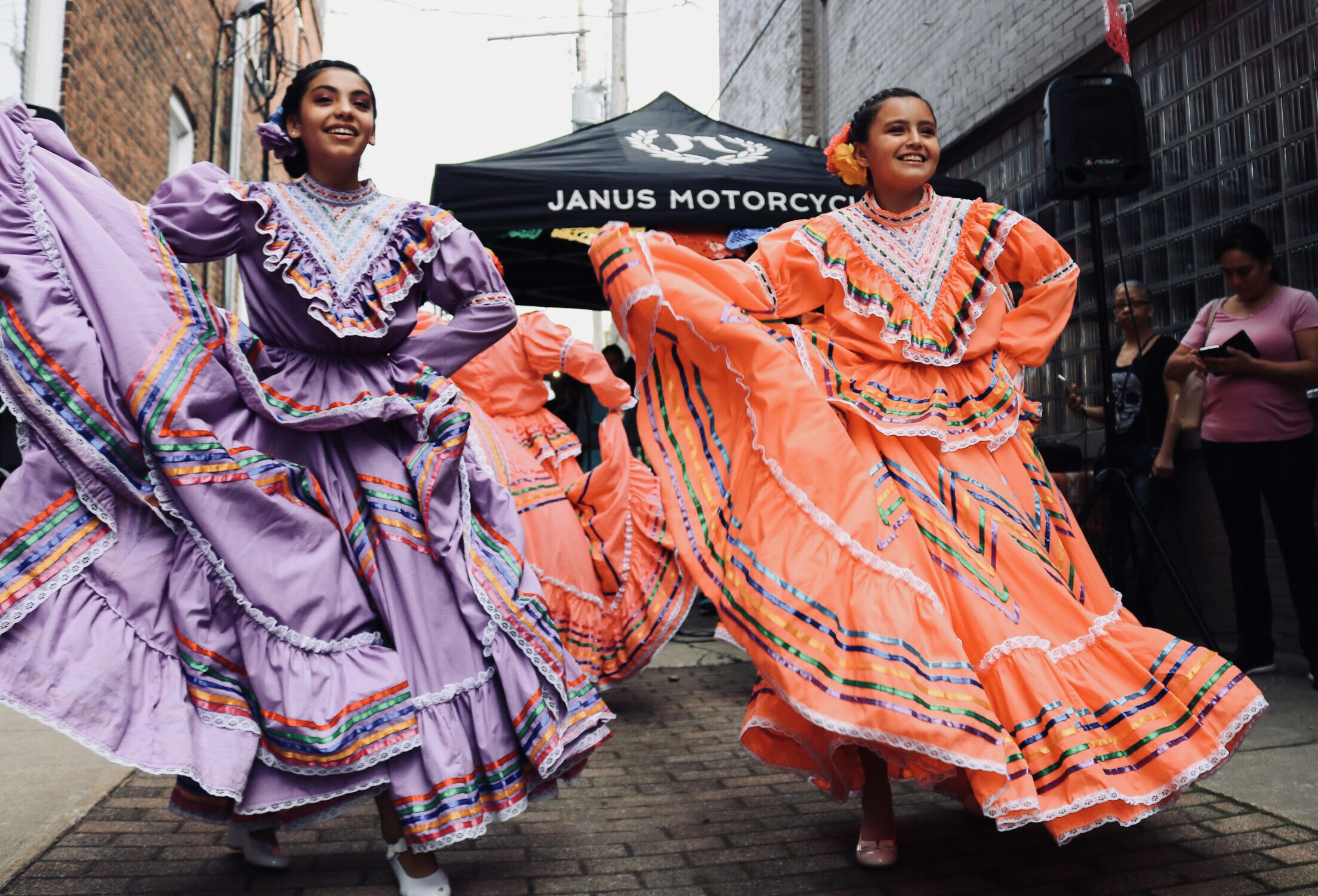
As we wrap up our journey through the lives of these famous Hispanic figures, it’s clear that their stories are not just history; they are living legacies. From the fields of California to the halls of the Supreme Court, from the stages of Broadway to the vastness of space, Hispanic individuals have shaped the world in profound ways.
Why does this matter? Because knowing these stories empowers us to build a more inclusive future. It reminds us that diversity is strength and that every voice has the power to change the world.
So, as you celebrate Hispanic Heritage Month, remember to not just learn about these figures but to embrace their spirit. Let their stories inspire you to dream big, fight for justice, and celebrate the rich tapestry of Hispanic culture.
Final Thought: Who will be the next Hispanic hero to change the world? Maybe it’s you! 🌟
🤔 Frequently Asked Questions About Hispanic Heritage Month Icons
Which Hispanic figures are essential for kids to learn about?
For younger audiences, César Chávez, Dolores Huerta, and Ellen Ochoa are fantastic starting points. Their stories are relatable and highlight themes of justice, teamwork, and curiosity.
Who are the most celebrated Hispanic scientists and inventors?
Dr. Ellen Ochoa (astronaut), Dr. Mario J. Molina (Nobel Prize in Chemistry), and Dr. Francisca “Patty” Flores (medical researcher) are among the most celebrated.
What are the key contributions of Hispanic women in the US?
Hispanic women have been at the forefront of civil rights, labor movements, and political leadership. Figures like Dolores Huerta, Sonia Sotomayor, and Sylvia Mendez have paved the way for equality.
Who are famous Hispanic artists and musicians to know?
Frida Kahlo, Diego Rivera, Celia Cruz, and Gloria Estefan are iconic figures who have left an indelible mark on the arts.
What are some notable achievements of Hispanic Americans?
From the first Hispanic astronaut to the first Latina Supreme Court Justice, Hispanic Americans have achieved firsts in every field, breaking barriers and setting records.
Who are the most influential Hispanic leaders in history?
César Chávez, Dolores Huerta, Sonia Sotomayor, and Alexandria Ocasio-Cortez are among the most influential leaders.
How can I celebrate Hispanic Heritage Month with my family?
Attend local cultural events, cook traditional meals, read books by Hispanic authors, and discuss the contributions of Hispanic figures. Check our Cultural Traditions page for ideas.
Who are the youngest Hispanic heroes to know about?
Sylvia Mendez (as a child) and Alexandria Ocasio-Cortez (elected at 28) are examples of young Hispanic heroes who made a significant impact.
What are some notable Hispanic women in history?
Frida Kahlo, Dolores Huerta, Sonia Sotomayor, and Celia Cruz are notable Hispanic women who have changed the world.
Who are the most famous Hispanic artists and musicians?
Frida Kahlo, Diego Rivera, Celia Cruz, and Gloria Estefan are among the most famous.
Which Hispanic figures changed American history?
César Chávez, Sylvia Mendez, and Sonia Sotomayor are among those who fundamentally changed American history.
What are the most important contributions of Hispanic Americans?
Contributions span labor rights, civil rights, science, arts, and politics, shaping the fabric of American society.
Who are some influential Hispanic leaders in history?
César Chávez, Dolores Huerta, Sonia Sotomayor, and Alexandria Ocasio-Cortez are influential leaders.
🔗 Recommended Links for Further Exploration
If you’re looking to dive deeper into the world of Hispanic heritage, here are some must-visit resources:
- Smithsonian Latino Center: Latino History and Culture
- National Hispanic Heritage Month: Official Website
- PBS Latino Americans: Documentary Series
- Books by Hispanic Authors:
The House on Mango Street by Sandra Cisneros: Amazon
In the Time of the Butterflies by Julia Alvarez: Amazon - Documentaries:
Latino Americans on PBS: Watch Now
The Latino History Project: Explore
👉 Shop for Books and Merch:
- Books on Hispanic History: Amazon Search
- Cultural Artifacts: Etsy Hispanic Art
- Educational Materials: Walmart Learning Resources
📖 Reference Links and Sources
- Smithsonian Latino Center: Latino History and Culture
- National Hispanic Heritage Month: Official Website
- PBS Latino Americans: Documentary Series
- César Chávez Foundation: César Chávez
- Dolores Huerta Foundation: Dolores Huerta
- NASA: Ellen Ochoa
- Supreme Court: Sonia Sotomayor
- United Farm Workers: UFW
- Smithsonian Institution: Latino History and Culture
Note: Some links may lead to security blocks due to website protections, but the content is invaluable for understanding Hispanic heritage.