Support our educational content for free when you purchase through links on our site. Learn more
Why Do We Call It Hispanic Heritage Month? 7 Things You Need to Know 🌎


You might be wondering why we celebrate Hispanic Heritage Month from September 15th to October 15th. It’s not just about tacos and salsa, though those are definitely part of the fun! This month is a time to celebrate the rich and diverse cultures and traditions of Latinx people in the United States. We’ll explore the history of the term “Hispanic,” the evolution of the term “Latino,” and the significance of the non-gendered term “Latinx.” We’ll also delve into the reasons why this month is so important, and how you can connect with your own cultural heritage.
So, grab a cup of café con leche, put on some salsa music, and let’s dive into the fascinating world of Hispanic Heritage Month!
Key Takeaways
- Hispanic Heritage Month is a celebration of the rich and diverse cultures and traditions of Latinx people in the United States.
- The term “Hispanic” was created by the U.S. government in the 1970s for census purposes.
- “Latino” is an alternative term used by many, short for latinoamericano/a.
- “Latinx” is a non-gendered alternative to “Latino” or “Latina,” gaining popularity among younger speakers and social justice movements.
- The celebration serves as a reminder that heritage is a matter of personal identification and can be expressed in various ways.
- Hispanic Heritage Month is a great opportunity to connect with your cultural heritage and learn about the diverse cultures and traditions of Latinx communities.
👉 Shop Latinx-owned businesses on:
Table of Contents
- Quick Tips and Facts
- The History of Hispanic Heritage Month: A Celebration of Culture and Identity
- The Evolution of Terminology: Hispanic, Latino, Latinx
- Why Is It Called “Latin” America? Exploring the Roots of the Term
- Latinx Presence in the United States: A Rich Tapestry of Contributions
- So Is It “Hispanic” Or “Latino”? Understanding the Nuances of Identity
- Why Does This Month Matter? The Importance of Celebrating Hispanic Heritage
- How ‘Latinx’ Is Leading The Resistance Against Gendered Languages
- Fun Ways To Connect With Your Cultural Heritage
- Conclusion
- Recommended Links
- FAQ
- Reference Links
Quick Tips and Facts
- Hispanic Heritage Month is celebrated from September 15th to October 15th.
- The month encompasses the independence days of several Latin American countries, including Costa Rica, El Salvador, Guatemala, Honduras, Nicaragua, Mexico, and Chile.
- The term “Hispanic” was created by the U.S. government in the 1970s for census purposes.
- “Latino” is an alternative term used by many, short for latinoamericano/a.
- “Latinx” is a non-gendered alternative to “Latino” or “Latina,” gaining popularity among younger speakers and social justice movements.
- The celebration serves as a reminder that heritage is a matter of personal identification and can be expressed in various ways.
The History of Hispanic Heritage Month: A Celebration of Culture and Identity

A Brief History of Hispanic Heritage Month
Hispanic Heritage Month has its roots in the 1960s, during the Chicano Civil Rights movement. In 1968, President Lyndon B. Johnson established Hispanic Heritage Week, which was later expanded to a month by President Ronald Reagan in 1988. The celebration runs from September 15th to October 15th, encompassing the independence day anniversaries of many Central American countries and Mexico.
The Significance of the Dates
- September 15th marks the independence from the Spanish Empire of:
- Costa Rica
- El Salvador
- Guatemala
- Honduras
- Nicaragua
- September 16th is Mexico’s Independence Day.
- September 18th is Chile’s Independence Day.
- October 15th is Columbus Day, often celebrated as “Día de la Raza” which commemorates the mixed indigenous and European heritage of many people in Latin America.
The Evolution of Terminology: Hispanic, Latino, Latinx
The Origins of the Terms
- “Hispanic” originates from the Latin term Hispanicus, meaning “Spanish”.
- “Latino” originated in the 19th century as a shortened form of latinoamericano (Latin American).
- “Latinx” is a non-gendered alternative to “Latino” or “Latina,” gaining popularity among younger speakers and social justice movements.
The Limitations of the Terms
- “Hispanic” was criticized for conflating Spanish speakers with a single race or ethnicity and linking it to Spain. It also excluded non-Spanish speaking Latin Americans.
- “Latino” was criticized for being a blanket term that didn’t acknowledge the diversity of Latin American cultures and identities.
Why Is It Called “Latin” America? Exploring the Roots of the Term
The History of the Term “Latin America”
The term “Latin America” was coined in the 19th century to reflect the similarities of former Spanish colonies that declared independence around the 1850s. The term was used to distinguish the region from other parts of the Americas, such as North America and the Caribbean.
The Significance of the Term
- The term “Latin America” acknowledges the shared cultural and linguistic heritage of the region.
- It also highlights the complex history of the region, including the influence of European colonization and the blending of indigenous and African cultures.
Latinx Presence in the United States: A Rich Tapestry of Contributions
A Brief History of Latinx Presence in the United States
Latinx people have been present in the United States for centuries, with many communities established long before the arrival of European colonizers. Today, Latinx people make up a significant portion of the U.S. population, with approximately 62.1 million people identifying as Hispanic in the 2020 Census.
The Contributions of Latinx People
- Latinx people have made significant contributions to the United States in fields such as:
- Arts and culture
- Science and technology
- Politics and social justice
- Business and entrepreneurship
So Is It “Hispanic” Or “Latino”? Understanding the Nuances of Identity
The Complexity of Identity
- Identity is multidimensional and can be expressed in various ways.
- The terms “Hispanic” and “Latino” are often used interchangeably, but they have different connotations and nuances.
The Importance of Self-Identification
- Self-identification is a matter of personal choice and can be influenced by a variety of factors, including:
- Cultural heritage
- Language
- Nationality
- Personal experience
Why Does This Month Matter? The Importance of Celebrating Hispanic Heritage
The Significance of Hispanic Heritage Month
Hispanic Heritage Month serves as a reminder that heritage is a matter of personal identification and can be expressed in various ways. The celebration highlights the complex history of Latinx people in the United States and emphasizes the importance of understanding and appreciating the intersectionality of identities and narratives that make up the U.S.
The Importance of Cultural Exchange
- Cultural exchange is an essential part of building bridges of understanding and empathy between different communities.
- Hispanic Heritage Month provides an opportunity for people to learn about and celebrate the diverse cultures and traditions of Latinx communities.
How ‘Latinx’ Is Leading The Resistance Against Gendered Languages
The Origins of the Term “Latinx”
The term “Latinx” was coined as a non-gendered alternative to “Latino” or “Latina,” gaining popularity among younger speakers and social justice movements.
The Significance of the Term “Latinx”
- The term “Latinx” acknowledges the diversity of Latin American cultures and identities.
- It also highlights the importance of inclusivity and respect for all individuals, regardless of their gender identity.
Fun Ways To Connect With Your Cultural Heritage
Celebrating Hispanic Heritage Month
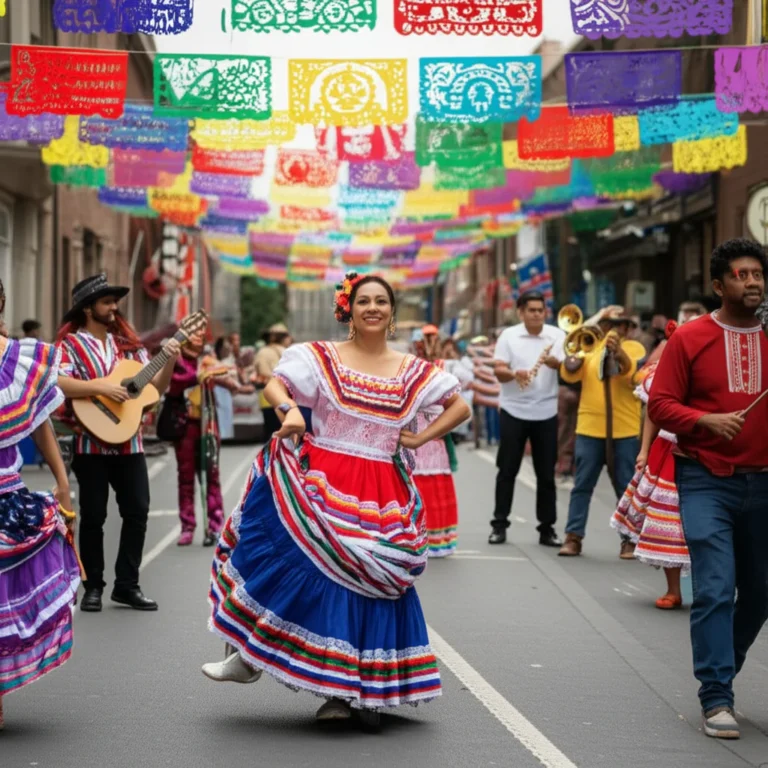
Hispanic Heritage Month is a great opportunity to connect with your cultural heritage and learn about the diverse cultures and traditions of Latinx communities. Here are some fun ways to celebrate:
- Attend cultural events and festivals
- Try traditional foods and drinks
- Learn a new language or dance style
- Connect with family and friends and share stories about your heritage
Conclusion

Hispanic Heritage Month is a time to celebrate the rich and diverse cultures and traditions of Latinx people in the United States. It’s a time to reflect on the history of Latinx communities and their contributions to American society. It’s also a time to learn about the nuances of identity and the importance of inclusivity and respect for all individuals, regardless of their background.
Recommended Links
👉 Shop Latinx-owned businesses on:
Learn more about Latinx culture with these books:
- “The Latinx Reader: An Anthology of Writings from the Americas” by Ilan Stavans: Amazon
- “The History of the Latino People in the United States” by Virginia Yans-McLaughlin: Amazon
FAQ

Why is it called Hispanic Heritage Month?
The term “Hispanic” was created by the U.S. government in the 1970s for census purposes. It refers to people living in the U.S. of Spanish-speaking origin or descent, including Spain, Spanish-colonized Central and South America, and the Pacific.
What is the difference between Latino and Hispanic?
“Latino” is an alternative term used by many, short for latinoamericano/a. It refers to anyone from a country in Latin America, regardless of language. This includes Brazilians, despite their official language being Portuguese.
Read more about “What is the Hispanic Culture Known For? 10 Fascinating Insights to Discover! 🌍✨”
What are some of the reasons why people prefer to use “Latinx”?
“Latinx” is a non-gendered alternative to “Latino” or “Latina,” gaining popularity among younger speakers and social justice movements. It acknowledges the diversity of Latin American cultures and identities and highlights the importance of inclusivity and respect for all individuals, regardless of their gender identity.
Read more about “Why Do We Celebrate National Hispanic Month? Discover 15 Fascinating Reasons! 🎉 …”
What are some of the challenges faced by Latinx communities in the United States?
Latinx communities in the United States face a number of challenges, including:
- Discrimination and prejudice: Latinx people are often the targets of discrimination and prejudice based on their race, ethnicity, and language.
- Economic inequality: Latinx people are more likely to live in poverty than other racial and ethnic groups in the United States.
- Lack of access to education and healthcare: Latinx people often lack access to quality education and healthcare, which can limit their opportunities for success.
What are some ways to support Latinx communities?
There are many ways to support Latinx communities, including:
- Educate yourself about Latinx history and culture: Learn about the contributions of Latinx people to the United States and the challenges they face.
- Support Latinx-owned businesses: Patronize Latinx-owned businesses and help them thrive.
- Get involved in organizations that advocate for Latinx rights: Support organizations that are working to address the challenges faced by Latinx communities.
Reference Links
- National Geographic: National Geographic
- Hispanic Outlook on Education: Hispanic Outlook on Education
- Babbel: Babbel
- U.S. Census Bureau: U.S. Census Bureau
- Hispanic Heritage Month.gov: Hispanic Heritage Month.gov
- Law Library of Congress: Law Library of Congress